Cellier Clinic — Personalized Anti-Aging & Lifting Specialist Design Clinic in Gangnam, Seoul
Facial Lifting & Skin Tightening · Consultation Required
Thermage FLX
Thermage FLX in Seoul at Cellier Clinic in Gangnam: monopolar radiofrequency heats the deeper dermis, with auto-tuning, vibration and surface cooling.
Schedule a ConsultationThermage FLX
Medically reviewed by Dr. Youm Junghyun, General Surgery Specialist
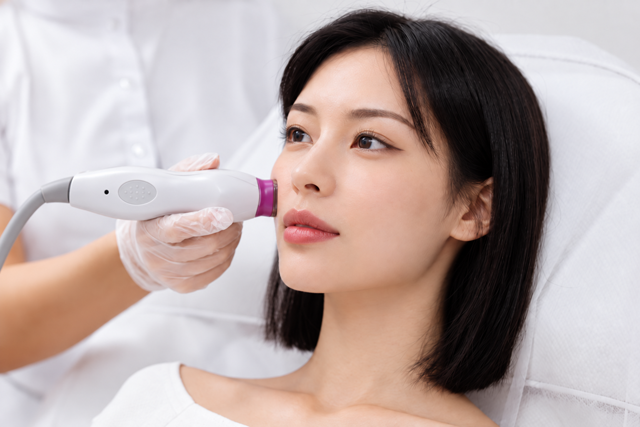
Thermage FLX in Seoul is a non-surgical skin tightening and lifting treatment that uses monopolar radiofrequency energy to deliver heat into the deeper layers of the skin. At Cellier Clinic in Gangnam it is used to improve skin elasticity, soften wrinkles, refine facial contours and prompt collagen regeneration. The session runs for about 20 to 30 minutes, and the lifting effect is described as being felt after a single procedure.
What Is Thermage FLX?
Thermage FLX is a non-surgical radiofrequency treatment in which heat is driven into the deeper dermis to contract and remodel existing collagen while stimulating new collagen production, producing tightening that builds over weeks rather than appearing on the day.
- The energy is monopolar, also described as unipolar, which is why it heats a broad volume of tissue rather than a narrow focal point.
- The device analyses skin condition during treatment and uses that reading to help set an appropriate energy level, a function the manufacturer calls AccuREP auto-tuning.
- Cooling is applied at the skin surface throughout, so the dermis can be heated while the outer layer is protected.
- The handpiece vibrates during delivery, which is part of how the treatment is made tolerable without deeper anaesthesia.
- Cellier Clinic states that it uses the authentic Thermage FLX device supplied by Solta Medical, which answers a question international patients frequently raise about device provenance.
International patients tend to reach for radiofrequency tightening when they want something done about skin laxity, wrinkles and facial contour without committing to surgery and without losing days to recovery. That is the position this treatment occupies in the clinic's range.
Who Performs Thermage FLX at Cellier Clinic
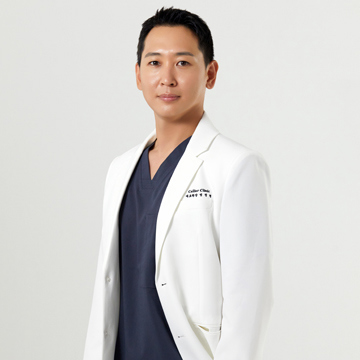
Dr. Youm Junghyun is the Director of Cellier Clinic and a General Surgery Specialist, having completed his specialist training and a clinical fellowship in General Surgery at Kyung Hee University Hospital at Gangdong. He is a member of the Korean Surgical Society, the Korean Society of Aesthetic Plastic Surgery and Laser, the Korean Society of Lifting, the Korean Society of Filler, the Korean Society of Obesity and Aesthetic Medicine, and the Korean Society of Dermatology, Obesity, and Plastic Surgery.
His practice rests on a comprehensive understanding of facial and body aesthetics, combining diagnostic precision with a broad range of treatment modalities. The personalised Skin Architecture planning system used at the clinic reflects a commitment to tailored, evidence-informed care. In practice that means the choice between radiofrequency and ultrasound-based lifting is made by him on the basis of individual skin thickness and treatment goals, and the two are used in combination where that is what the assessment indicates. Cellier Clinic is an official certification clinic for Ultherapy, Thermage, Onda, Titanium, Sofwave, Sculptra, Re2O and Rejuran. Treated patients are photographed for the clinic's before-and-after gallery.
Who Is a Good Candidate for Thermage FLX?

Cellier Clinic recommends the treatment for:
- People in their thirties and older who have noticed a loss of skin elasticity.
- People with little cheek fat and a thin face, where broad dermal heating suits the tissue available.
- People with thin skin who are worried about irritation from more aggressive devices.
- People concerned about wrinkles around the eyes or a general drop in elasticity.
- People who want a lifting effect that lasts rather than a short-lived improvement.
- Adults with mild jowling or banding at the neck who want broad dermal tightening rather than a deep structural lift.
Individual suitability is determined during consultation, where skin laxity, wrinkles, facial contour, skin thickness, medical history and the patient's goals are all weighed. Not one of those six can be settled from a photograph, which is why the decision is made at the appointment rather than in advance of it.
Who should postpone or avoid treatment
- Patients who are pregnant or breastfeeding should postpone elective aesthetic treatment.
- Patients with certain implanted electronic devices may need to avoid radiofrequency treatment altogether.
- Patients with an active skin infection, an open wound or an inflammatory condition in the treatment area should wait until it has resolved.
- Patients with autoimmune conditions or bleeding disorders, and patients taking anticoagulant medication, need individual assessment before proceeding.
What to Expect: Procedure, Recovery, and Results Timeline
Preparation is simple but not optional. Cleanse the facial skin thoroughly beforehand. Leave off heavy cosmetic makeup, active chemical topicals and metal accessories on the day. Tell the clinician about relevant medical conditions, medications, implanted devices, previous cosmetic treatments and any skin problems before treatment begins. Treatment is not carried out over an active skin problem, so anything flaring should be mentioned rather than covered up. The clinic's own instructions on skincare, sun exposure and the spacing of other cosmetic procedures apply in the days before the appointment.
The session moves through four phases:
- Phase 1 — the cooling system activates and automatic tuning begins.
- Phase 2 — high-frequency thermal energy penetrates deeply while vibration continues.
- Phase 3 — radiofrequency energy carries on penetrating while cooling is maintained.
- Phase 4 — the cooling system starts again to protect the skin.
Treatment takes approximately 20 to 30 minutes and is specified at 300 shots. The comfort options are these:
| Option | Notes |
|---|---|
| Topical numbing cream | The usual choice, applied to the face ahead of the session |
| Nerve-block anaesthesia | Injected local anaesthesia where a patient needs more than cream |
| Sedation | Sedation anaesthesia, offered where it is clinically appropriate |
Heat, tingling or discomfort may be felt while radiofrequency energy is being delivered, and the level varies with individual sensitivity. Redness, swelling and a tingling sensation may occur and usually subside naturally, and daily activities can be resumed immediately after the procedure. Avoid saunas, alcohol and strenuous exercise for one week after treatment. Keep the treated area clean and use sunscreen consistently. Washing the face and applying makeup can resume from the following day.
| Stage | What the clinic describes |
|---|---|
| Day of treatment | Daily activity resumes; temporary redness is the usual finding |
| Day after treatment | Facial washing and makeup can begin again |
| About 4 weeks | Change becomes noticeable, which is the first fair point to judge the result |
| Months 3 to 6 | Collagen production continues to be activated and the full result is reached |
| Roughly 6 to 12 months | The reported span of the effect, dependent on individual skin condition |
Temporary redness generally resolves within twenty-four hours of the session. From about one month the improvement becomes gradually visible, and the full result is described as arriving somewhere in the three-to-six-month window as collagen remodelling completes.
One session is the norm. A review at four to eight weeks is recommended, and annual maintenance is advisable rather than repeat treatment in quick succession.
The improvements the clinic reports from this treatment are:
- Dermal target lifting, meaning lift driven from within the dermis itself.
- Facial contour improvement.
- Enhanced elasticity.
- Improved skin texture.
- V-line improvement along the lower face and jaw.
- Wrinkle reduction and general tightening.
- Collagen regeneration that continues after the session has finished.
Combining Thermage FLX with Other Treatments
Two treatments are named by the clinic as complementary to this one:
- Skin Booster, where the skin also needs hydration and surface quality addressed.
- Collagen Booster, where supporting the collagen response is part of the plan rather than an afterthought.
The alternatives, where radiofrequency is not the right answer, run from other energy-based tightening devices to ultrasound-based lifting, injectable treatments and surgical lifting. Which of them fits depends on skin laxity, anatomy and treatment goals. The distinction that matters most in practice is mechanism: radiofrequency heats a broader volume of tissue, while focused ultrasound concentrates energy at the SMAS layer, and thicker skin or a need for broader remodelling is what tends to point towards radiofrequency. Density Lifting, also available at the clinic, is likewise described as a monopolar radiofrequency treatment, but the two systems differ in their energy-delivery features and are not interchangeable. The clinic's full range is listed on the Cellier Clinic website.
Safety, Precision, and Clinic Standards

Radiofrequency tightening of mild-to-moderate eyelid laxity is described by the American Society for Dermatologic Surgery as an alternative for patients who are not ready for surgery, working by stimulating collagen in the dermis, with bruising and swelling listed among the risks and recovery given as three to four days (Non-invasive Radio Frequency Treatment for Droopy Eyelids). That is a useful calibration for the periocular area, where patients most often ask what radiofrequency can and cannot reach.
Cosmetic procedures of every kind carry risk, surgical and non-surgical alike, and the NHS sets out the consultation, practitioner-qualification and cooling-off expectations a patient should hold to before agreeing to any treatment (Before you have a cosmetic procedure - NHS). Non-surgical cosmetic procedures are also covered by separate NHS guidance on choosing a practitioner, which advises checking training, qualifications, register entry, experience and insurance first (Choosing who will do your cosmetic procedure - NHS).
Cellier Clinic is a Registered Medical Institution for Attracting Foreign Patients, certified by the Ministry of Health and Welfare in compliance with the Medical Overseas Expansion and Foreign Patients Attraction Act.
Aesthetic procedures carry a range of possible risks that vary depending on the type and depth of treatment. More common risks include temporary irritation, swelling or bruising. Less common outcomes may include prolonged sensitivity or uneven response. Discussing individual risk factors with the treating doctor before proceeding supports informed decision-making.
This treatment is available in both Korea and the United States, so the location by itself does not decide which option is more suitable. What is worth comparing between providers is the treatment area covered, the treatment protocol followed, the authenticity of the device, the depth of the physician's assessment and the aftercare on offer.
For this treatment specifically, the clinic points to two device functions when asked how risk is reduced. Automatic tuning is used to set energy delivery against the skin it is reading. A cooling system runs during treatment to protect the skin while that energy goes in. Surgical-grade tissue repositioning cannot be guaranteed, because individual collagen regeneration varies by age and biological response. Cellier Clinic does not publish a formal quality-control document.
The Bottom Line
- Monopolar radiofrequency heats a broad volume of the deeper dermis, which is a different mechanism from focused ultrasound and suits different skin.
- The device reads the skin and auto-tunes its energy level, and surface cooling runs throughout.
- A session is approximately 20 to 30 minutes at 300 shots, with daily activity resuming the same day.
- Noticeable change is described at about four weeks, with collagen activation continuing after that.
- The reported duration of effect is roughly 6 to 12 months and varies with individual skin condition.
- The clinic states the device is the authentic Thermage FLX platform from Solta Medical, which is the provenance question international patients raise most often.
Frequently Asked Questions
Who is this treatment actually recommended for?
The clinic's own candidate list starts with people in their thirties and older who have lost skin elasticity, and includes people with little cheek fat and thin faces, people with thin skin who fear irritation, and people bothered by wrinkles around the eyes. Adults with mild jowling or neck banding who want broad dermal tightening rather than a deep structural lift also fit. What the treatment is not is a substitute for surgery in advanced laxity.
What happens during the session, and how long is it?
Cooling starts first and the device begins tuning itself to your skin. Radiofrequency energy then heats the deeper layers while vibration continues, and cooling is maintained throughout before running again at the end to protect the surface. Budget approximately 20 to 30 minutes for the 300 shots specified, plus numbing time beforehand.
How painful is it, and what is used to manage that?
Heat, tingling or discomfort during radiofrequency delivery is the common experience, and how strongly it registers differs from person to person. Topical cream anaesthesia, nerve block anaesthesia and sedation anaesthesia are the three options the clinic lists. The vibration and the cooling built into the treatment are themselves part of the comfort design rather than optional extras.
How long is the recovery, and can I fly straight home?
Daily activities resume immediately after treatment. Redness, swelling and tingling may appear but generally settle on their own, and facial washing and makeup can start the next day. A stay of one to two days is usually enough, since there is no surgical recovery to wait out. Nothing in the procedure restricts flying, and most patients fly the day after.
When do results appear, and how long do they hold?
Change may become noticeable at approximately four weeks. Collagen production continues to be activated after the session, so the result develops rather than arriving. The clinic states the effect generally lasts approximately 6 to 12 months, depending on individual skin condition. A single session is described as enough to feel the lifting effect.
Who needs to postpone or avoid it?
Certain implanted electronic devices are a reason to avoid radiofrequency treatment. Active skin infection, an open wound or inflammatory skin disease in the treatment area means waiting until it clears. Pregnancy and breastfeeding call for postponement of elective treatment. Autoimmune disease, bleeding disorders and anticoagulant medication all require individual assessment first.
Will I be able to deal with the clinic in English, and can I start before I arrive?
An English-speaking team supports international patients at Cellier Clinic, and English-language assistance is available for both online enquiries and in-person consultations. Online consultation is offered, so the assessment can begin before you fly. Treatment-area photographs and your relevant medical or treatment history may be requested at that stage.
What if something worries me once I am home again?
Report anything that persists or worsens rather than waiting for the next trip. After returning home, patients are able to contact the clinic's international coordination team with any questions or concerns. Photo-based remote assessment is available for minor post-treatment queries. For more complex concerns, the clinic advises patients to seek evaluation from a local practitioner and will support with medical documentation if needed. The clinic can also be reached by telephone or through its website.
Book a Consultation at Cellier Clinic
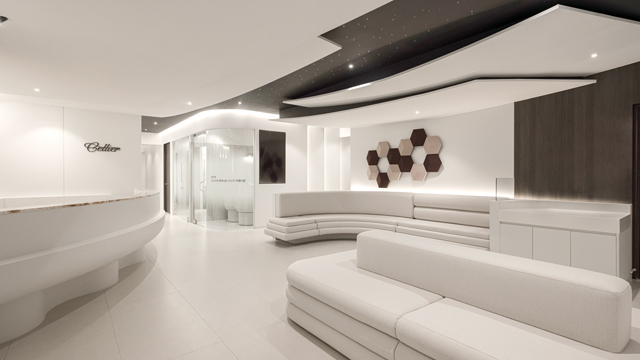
Thermage FLX in Seoul is carried out at Cellier Clinic in Gangnam, and it begins with an assessment of your skin rather than a diary slot. Cellier Clinic is located on the 5th floor of Rex Tower, 108 Dosan-daero, Gangnam-gu, Seoul, South Korea. Cellier Clinic does not publish treatment prices; a quotation is given after an individual consultation. Questions and consultation requests are taken through the clinic's contact page, and a first consultation can be held online while you are still at home.
Disclaimer
This page is for general information only and is not medical advice. Individual results vary, and suitability for any treatment must be determined by a qualified physician during consultation.
Sources & Further Reading
- Non-invasive Radio Frequency Treatment for Droopy Eyelids — ASDS
- Before you have a cosmetic procedure - NHS — NHS
- Choosing who will do your cosmetic procedure - NHS — NHS
Clinical Protocol Summary (Dr. Youm Junghyun)
- Procedure Time & Onset: Approximately 45–60 minutes including preparation; initial tightening appears within 2–4 weeks, with progressive collagen remodeling peaking at 2–3 months (
CEL-19).
Other Services
Explore additional non-surgical lifting and skin rejuvenation treatments at Cellier Clinic.
Pore & Scar Treatment
Potenza in Seoul is RF microneedling for pores, scars and texture. Cellier Clinic's two modes, candidacy, three-day downtime and session course explained.
Learn More
Redness & Pigmentation Laser Care
Redness laser treatment in Seoul: diagnosis first, then the laser. Cellier Clinic on candidacy, session length, recovery by laser type and aftercare.
Learn More

Basic Skin Management
Basic skin management in Seoul at Cellier Clinic uses LDM ultrasound for hydration and texture, with no downtime and a skin assessment before every session.
Learn More