Cellier Clinic — Personalized Anti-Aging & Lifting Specialist Design Clinic in Gangnam, Seoul
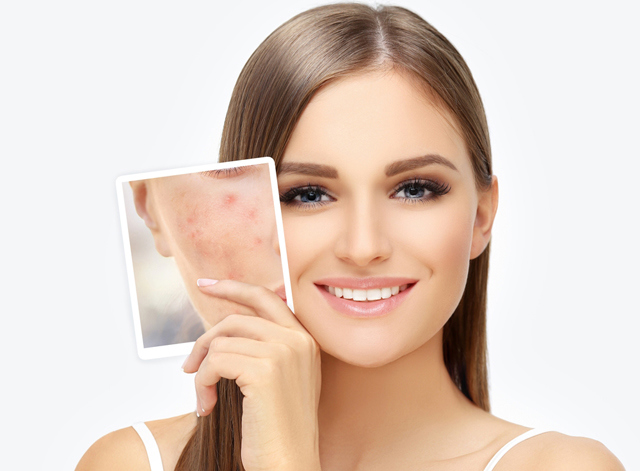
Pigmentation & Skin Toning · Consultation Required
Redness & Pigmentation Laser Care
Redness laser treatment in Seoul: diagnosis first, then the laser. Cellier Clinic on candidacy, session length, recovery by laser type and aftercare.
Schedule a ConsultationRedness and Pigmentation Laser Care in Seoul
Medically reviewed by Dr. Youm Junghyun, General Surgery Specialist
Redness and pigmentation laser care is the use of targeted laser or light-based energy to improve the appearance of facial redness, uneven skin tone and pigmentation. Unlike a single named device treatment, this is a diagnosis-led route: patients looking for a pigmentation laser in Korea or redness laser treatment in Seoul are asking about a group of technologies, and which one is used depends on the type of discoloration, the condition of the skin and the individual's goals. At Cellier Clinic the examination that identifies the type of redness or pigmentation comes before any laser is selected.
What Is Redness and Pigmentation Laser Care?
Redness and pigmentation laser care is the selection and delivery of a laser or light-based treatment matched to the cause of a patient's discoloration, rather than the application of one device to every complaint.
- The target decides the technology. Redness and visible vessels are generally treated with vascular-focused lasers, while melanin-related pigmentation is treated with pigment-focused lasers.
- Some devices cross over. Certain systems can address more than one concern, which is part of what the assessment weighs.
- The wavelength and settings follow the diagnosis. They are selected against the condition, the skin type and the treatment goal.
- Cooling and eye protection are part of the procedure. Both are applied where appropriate before energy is delivered.
- Comfort measures vary with the laser. Many treatments use cooling or a topical numbing cream where it is needed, and patients may feel warmth, tingling or brief snapping sensations.
Laser and light therapy is unlikely to be the only thing a patient with rosacea needs, the American Academy of Dermatology states. Small studies cited on that page report visible vessels reduced by 50% to 75% after one to three sessions, while the average reduction in overall redness in the same studies is only around 20% — a gap worth understanding before treatment rather than after it. Sun protection following laser or light therapy is presented there as a requirement, not a suggestion, and the page lists side effects alongside the benefits. Laser resurfacing, a deeper category that removes layers of skin, is described separately by the American Society for Dermatologic Surgery as needing three to ten days of healing with daily wound care, which is a useful measure of how widely recovery varies once the word "laser" covers this many devices.
Who Performs Redness and Pigmentation Laser Care at Cellier Clinic
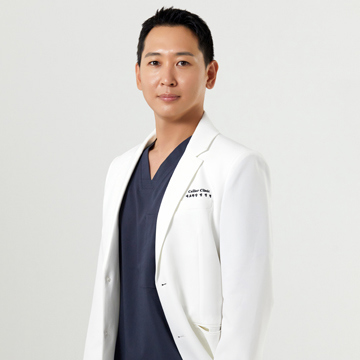
Dr. Youm Junghyun is the Director of Cellier Clinic and a General Surgery Specialist, having completed his specialist training and a clinical fellowship in General Surgery at Kyung Hee University Hospital at Gangdong. He is a member of the Korean Surgical Society, the Korean Society of Aesthetic Plastic Surgery and Laser, the Korean Society of Lifting, the Korean Society of Filler, the Korean Society of Obesity and Aesthetic Medicine, and the Korean Society of Dermatology, Obesity, and Plastic Surgery.
On this route his work is mostly diagnostic, because the treatment is not fixed in advance. The clinic's position is that he is the right person for it when the pigmentation type, the redness, the skin tone and the skin's sensitivity all need careful assessment. Choosing the wavelength, the energy level and the exact area is what allows a specific concern to be targeted while the risk of excessive irritation or post-treatment pigmentation is kept down. He also reviews medications, previous treatments and how reactive the skin has been in the past, since all three change what a safe setting looks like. The kind of change the clinic documents is shown in its before-and-after gallery.
Redness and Pigmentation Laser Care Options Available
The clinic describes four broad technology groups, chosen against the diagnosis rather than offered as a menu.
| Technology group | Mainly directed at | What it implies for recovery |
|---|---|---|
| Vascular lasers | facial redness and visible blood vessels | usually limited downtime, with temporary redness |
| Pigment-targeting lasers | melanin-related pigmentation, spots and freckles | temporary darkening or lightening of treated pigment is possible |
| Intense pulsed light | broad-area redness and pigmentation together | mild redness and warmth are the usual extent |
| Non-ablative resurfacing systems | texture alongside tone | more reaction than the above, over several days |
Which group applies is a medical decision, and the clinic is explicit that the appropriate option depends on the diagnosis and the skin type. That is also why a page like this cannot promise a single recovery time: a vascular laser and a resurfacing system are both "a laser appointment" and almost nothing else about them is the same.
Who Is a Good Candidate for Redness and Pigmentation Laser Care?
- Adults with facial redness, including rosacea-related redness and flushing
- Patients with sun-related pigmentation and sun spots
- Patients with freckles or uneven pigmentation
- Patients with post-inflammatory pigmentation left after a blemish has settled
- Patients with an uneven complexion rather than one isolated mark
- Patients assessed as suitable for laser treatment, with the specific laser matched to their skin type and the cause of the discoloration
Grounds for postponement or further assessment:
- Patients who are pregnant or breastfeeding should postpone all elective aesthetic procedures. Active skin infections, open wounds, or inflammatory skin conditions in the treatment area require resolution before proceeding. Those with autoimmune conditions, a history of keloid scarring, or recent use of isotretinoin within 6 months may require additional assessment. Patients on blood-thinning medications should discuss timing with the clinic.
- Recent tanning, which changes how the skin will respond
- Photosensitivity, or medication that increases light sensitivity
- Where laser is not the right route, the clinic names topical pigment care, prescription treatment where appropriate, vascular treatment, chemical peels, microneedling and other doctor-supervised skin treatments as the alternatives to weigh
What to Expect: Procedure, Recovery, and Results Timeline
The consultation covers your skin concerns, your medical history, your medications, previous treatments and how sensitive your skin is. The skin is then examined to identify what kind of redness or pigmentation is present. Only after that is the laser or light-based treatment selected.
Preparation is about not surprising the laser. Avoid excessive sun exposure beforehand. Avoid tanning. Tell the practitioner about medications, skin conditions, recent procedures and any product that might affect the treatment. Depending on the device, you may be asked to pause irritating actives such as retinoids or exfoliating acids. Do not stop prescribed medication without medical advice. Arrive with clean skin, and bring a full account of previous laser treatments, skincare procedures, allergies and relevant conditions.
The session runs in five steps: skin assessment and treatment planning; cleansing of the area; eye protection and skin cooling where appropriate; application of the selected laser or light energy; and post-treatment soothing with sun-protection instructions. Many facial sessions are completed in approximately 15 to 60 minutes, and the range is that wide because treatment time follows the technology, the number of areas and the settings.
| Stage | What the clinic describes |
|---|---|
| Consultation | history, medications and sensitivity reviewed; type of redness or pigmentation identified |
| Treatment day | approximately 15 to 60 minutes, depending on laser and area |
| Immediately after | soothing care and sun-protection instructions |
| First days | redness, warmth, mild swelling, sensitivity or irritation; peeling or small crusts with some treatments |
| Next day | cleansing and makeup resume |
| First week | sauna, alcohol and intense exercise avoided |
| Several weeks | pigmentation and redness improving progressively |
| Four to eight weeks | follow-up review, which international patients may complete by photograph |
Recovery depends on the laser and the intensity used. Some treatments produce mild redness and minimal downtime. Others produce swelling, crusting or peeling across several days. Temporary darkening or lightening of treated pigment can occur, as can dryness or small crusts. Avoid saunas, alcohol and strenuous exercise for one week after treatment. Keep the treated area clean and use sunscreen consistently. Washing the face and applying makeup can resume from the following day. Do not pick or peel treated areas, avoid harsh exfoliation and irritating actives until the skin has recovered, and keep away from excessive heat and tanning in that period.
Some improvement may be visible once the skin settles, but redness and pigmentation more often improve progressively over several weeks. Multiple sessions are frequently needed for a more marked change. For the clinic's dual-wavelength treatment specifically, it describes noticeable change being assessed after three or more sessions at one- to two-week intervals, with effects lasting approximately three to six months depending on skin condition. Final results depend on the condition treated and the laser used, and pigment and vascular conditions often need a series rather than a single appointment. A follow-up review is typically recommended four to eight weeks afterwards, and international patients can complete it remotely with photographs.
Combining Redness and Pigmentation Laser Care with Other Treatments
- Customised skin boosters, where skin quality is being addressed alongside tone.
- Topical pigmentation care, which the clinic treats as part of management rather than as an add-on.
- Gentle facial treatments, where the skin needs support rather than more energy.
- Other laser treatments, including the clinic's picosecond and dual-wavelength routes, which have their own pages and protocols.
Timing and suitability of any combination are assessed by the treating practitioner, and treatments are spaced deliberately to limit irritation and complications. Combining energy treatments in quick succession is the thing this route is most careful about.
Safety, Precision, and Clinic Standards

The clinic's stated method for reducing risk here is a sequence rather than a single measure. Identifying the correct diagnosis comes first. Skin type and pigmentation risk are then assessed. Medications and previous treatments are reviewed. Laser parameters are selected against those findings. Cooling or protective measures are used as appropriate. Treatment intensity is adjusted to the individual patient. Cellier Clinic does not publish a formal quality-control document.
The risk list for this route is longer than for a single-device treatment, and it deserves to be read in full. Prolonged redness can occur. Burns are possible. So is blistering. Infection is possible. Scarring is possible. Pigmentation can change temporarily or permanently. Pigmentation can also worsen. Results can be uneven. The level of risk varies with skin type, the laser used, the energy settings and the condition being treated, which is the clearest argument on this page for a diagnosis-first approach.
Candidacy for deeper laser work is narrower than for surface treatment. Patients with active acne or very dark skin are usually not good candidates for laser resurfacing, according to the American Society for Dermatologic Surgery, which lists scarring, pigmentation change and infection among that category's complications. A practitioner's training, qualifications, register entry, experience and insurance should all be checked before agreeing to any cosmetic procedure, the NHS advises, and it warns specifically against group treatments, voucher deals, mobile services and practitioners who can only be found on social media. Both points are category-general, and both are more useful here than on a page about one fixed device.
What the clinic will not claim is complete clearance. Complete removal of pigmentation is not promised. Permanent prevention of pigmentation is not promised either. The exact degree of fading, redness reduction or tone improvement cannot be guaranteed, and nor can freedom from recurrence, because results vary with the type and severity of the problem, the skin type, the number of sessions and individual response.
The Bottom Line
- This is a diagnosis-led route rather than one device: the examination identifies the type of redness or pigmentation, and the laser follows from it.
- Vascular lasers, pigment lasers, intense pulsed light and non-ablative resurfacing systems are the groups the clinic describes.
- Session length runs approximately 15 to 60 minutes, and recovery ranges from minimal redness to several days of swelling, crusting or peeling.
- Improvement is usually progressive over weeks and usually needs several sessions; a follow-up review sits at four to eight weeks and can be done by photograph.
- Sun protection afterwards is mandatory, and complete or permanent clearance of pigmentation is not promised.
Frequently Asked Questions
My redness is diffuse rather than a few visible vessels. Is that treatable?
Facial redness, rosacea-related redness and flushing are all listed among the concerns treated on this route, and vascular-focused lasers are the group generally used for them. What the consultation establishes is the cause, because redness with a treatable vascular component and redness from an inflammatory condition are not managed the same way. Suitability depends on the specific condition, your skin type, your history and your goals.
Who should postpone?
Patients who are pregnant or breastfeeding should postpone all elective aesthetic procedures. Active skin infections, open wounds, or inflammatory skin conditions in the treatment area require resolution before proceeding. Those with autoimmune conditions, a history of keloid scarring, or recent use of isotretinoin within 6 months may require additional assessment. Patients on blood-thinning medications should discuss timing with the clinic.
What does the session involve, and how uncomfortable is it?
Five steps: assessment and planning, cleansing, eye protection and cooling where appropriate, delivery of the selected energy, then soothing care and sun-protection instructions. Discomfort varies with the device and the intensity — warmth, tingling, snapping, stinging or mild heat are the usual descriptions — and cooling or topical numbing is used where it is needed.
How long should I stay in Korea, and when can I fly?
There is no universal required stay and no single flight rule covering every laser on this route, and the clinic says so directly rather than giving a number it cannot stand behind. A simple non-ablative treatment may allow travel relatively soon, while a more aggressive one needs longer. Redness, swelling, skin sensitivity, sun exposure during the flight and the possibility of a delayed reaction all bear on the decision, as does whether further sessions or a follow-up are planned. Confirm your own timing with the treating doctor.
When will I see a result, and will it last?
Some change may show once the skin settles, but pigmentation and redness usually improve gradually over several weeks, and several sessions are often needed. The skin can carry on changing for weeks after a session. For the clinic's dual-wavelength treatment it describes effects lasting approximately three to six months. Recurrence is possible, particularly where sun exposure continues.
How is the follow-up handled if I live in the United States?
A follow-up review is typically recommended four to eight weeks after treatment, and international patients may complete that remotely by submitting photographs rather than returning to Seoul. That review is what the clinic uses to judge whether a further session is warranted, which matters on a route where improvement is expected to be progressive.
What does it cost?
Cellier Clinic does not publish treatment prices; a quotation is given after an individual consultation. Because the technology is chosen at diagnosis and several sessions are often needed, a quotation only becomes meaningful once the laser and the number of sessions are known. An online consultation before travelling is the practical way to reach that point.
What if something feels wrong once I am home?
After returning home, patients are able to contact the clinic's international coordination team with any questions or concerns. Photo-based remote assessment is available for minor post-treatment queries. For more complex concerns, the clinic advises patients to seek evaluation from a local practitioner and will support with medical documentation if needed. The clinic can also be reached by telephone or through its website.
Book a Consultation at Cellier Clinic
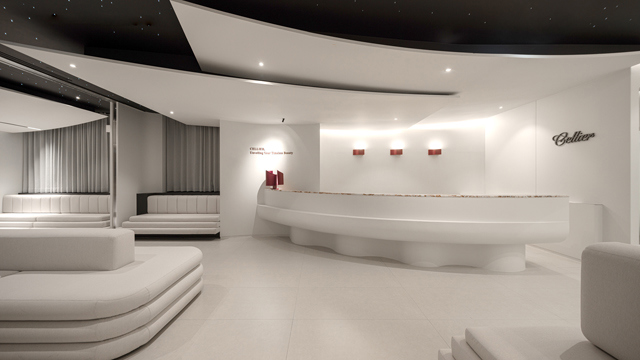
Redness and pigmentation laser care in Seoul starts with a diagnosis rather than a device, so the first appointment is an examination of the skin. Enquiries go through the clinic's contact page, and online consultation is available before you travel. For that, the clinic asks for photographs of the affected areas and a description of the redness or pigmentation you want treated. An English-speaking team supports international patients at Cellier Clinic, and English-language assistance is available for both online enquiries and in-person consultations. The rest of the clinic's treatment range is set out on the Cellier Clinic website. Cellier Clinic is located on the 5th floor of Rex Tower, 108 Dosan-daero, Gangnam-gu, Seoul, South Korea. Cellier Clinic is a Registered Medical Institution for Attracting Foreign Patients, certified by the Ministry of Health and Welfare in compliance with the Medical Overseas Expansion and Foreign Patients Attraction Act.
Disclaimer
This page is for general information only and is not medical advice. Individual results vary, and suitability for any treatment must be determined by a qualified physician during consultation.
Sources & Further Reading
- Lasers and lights: How well do they treat rosacea? — AAD
- Laser Resurfacing — ASDS
- Choosing who will do your cosmetic procedure - NHS — NHS
Clinical Protocol Summary (Dr. Youm Junghyun)
- Recommended Course: For periorbital pigmentation, dark circles, and vascular redness, typically 3–5 sessions spaced 2–4 weeks apart (
CEL-15), combined with targeted CO2 laser for discrete benign lesions or fractional resurfacing where indicated (CEL-18).
Other Services
Explore additional non-surgical lifting and skin rejuvenation treatments at Cellier Clinic.
Pore & Scar Treatment
Potenza in Seoul is RF microneedling for pores, scars and texture. Cellier Clinic's two modes, candidacy, three-day downtime and session course explained.
Learn More
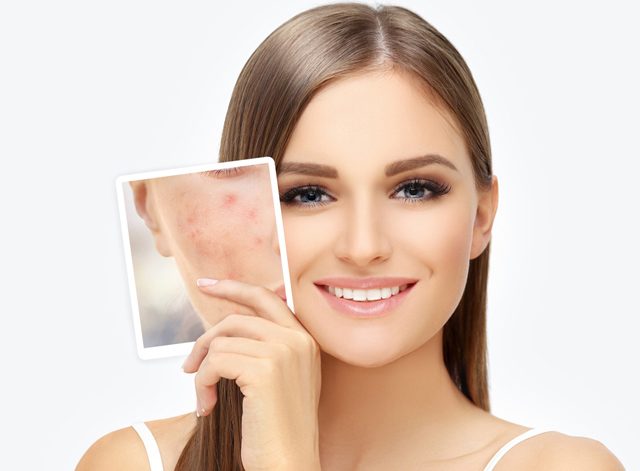
Redness & Pigmentation Laser Care
Redness laser treatment in Seoul: diagnosis first, then the laser. Cellier Clinic on candidacy, session length, recovery by laser type and aftercare.
Learn More

Basic Skin Management
Basic skin management in Seoul at Cellier Clinic uses LDM ultrasound for hydration and texture, with no downtime and a skin assessment before every session.
Learn More