Cellier Clinic — Personalized Anti-Aging & Lifting Specialist Design Clinic in Gangnam, Seoul
Skin Care & Facial Treatments · Consultation Required
Peeling Treatments
Peeling treatments in Seoul at Cellier Clinic range from Aqua Peel to deeper chemical peels, with peel type and depth selected by the doctor after assessment.
Schedule a ConsultationPeeling Treatments in Seoul
Medically reviewed by Dr. Youm Junghyun, General Surgery Specialist
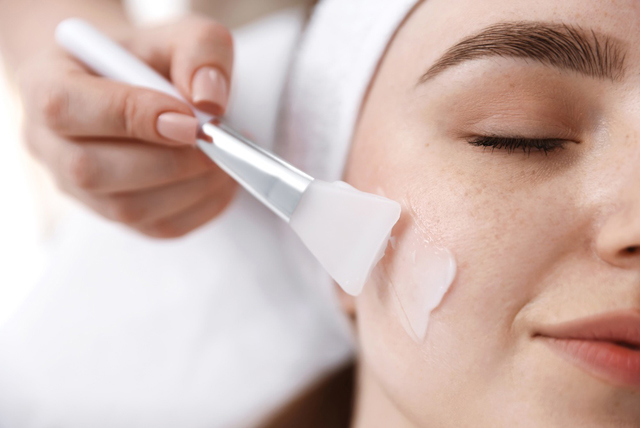
Peeling treatments in Seoul are controlled exfoliation procedures in which a chemical solution is applied to the skin to remove damaged surface cells and prompt skin renewal. At Cellier Clinic in Gangnam the range runs from Aqua Peel, which the clinic describes as carrying no downtime, through to deeper chemical peels with roughly one to three days of settling. Which peel is used, and at what strength, is a decision the doctor makes after assessing the skin rather than one the patient selects from a list.
What Is a Peeling Treatment?
A peeling treatment, also called a chemical peel, is the application of a chemical solution that removes damaged surface skin cells in a controlled way so that skin renewal follows.
- What it is used for. Dermatologists use peels for uneven pigmentation, dull complexion, rough texture, acne, fine lines, sun damage and some types of acne scarring.
- What is actually applied. The clinic's peeling solutions are acid-based formulations, among them alpha hydroxy acids, beta hydroxy acids and trichloroacetic acid.
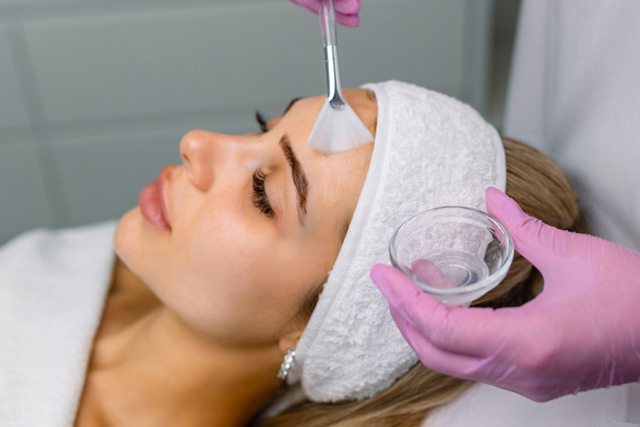
- What supports the application. Cellier lists skin analysis systems, pH testing tools, professional application brushes and applicators, cooling and soothing devices, and post-peel LED or calming devices as the equipment around the treatment.
- What varies between patients. The peel type and its strength are selected individually, and depth is the single variable that changes everything downstream — the effect, the recovery and the risk.
- What the clinic brings to that choice. Cellier describes its approach as personalised care based on individual skin characteristics and precise treatment of the different skin layers.
A chemical peel, which dermatologists also call chemexfoliation, treats a wider list of concerns than most patients expect: the American Academy of Dermatology names some types of acne, age spots, melasma, discoloration, dull complexion, fine lines, rough skin and sun damage among them. That breadth is a reason to arrive with a specific concern rather than a general wish, because a peel chosen for pigmentation is not necessarily the peel chosen for texture.
Who Performs Peeling Treatments at Cellier Clinic
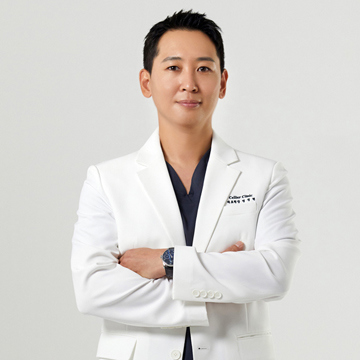
Dr. Youm Junghyun is the Director of Cellier Clinic and a General Surgery Specialist, having completed his specialist training and a clinical fellowship in General Surgery at Kyung Hee University Hospital at Gangdong. He is a member of the Korean Surgical Society, the Korean Society of Aesthetic Plastic Surgery and Laser, the Korean Society of Lifting, the Korean Society of Filler, the Korean Society of Obesity and Aesthetic Medicine, and the Korean Society of Dermatology, Obesity, and Plastic Surgery.
He selects the peel type and the depth himself, based on the patient's skin condition, their goals and whatever else is planned in the treatment sequence. He is the clinic's only treating physician, so that selection and its consequences sit with one person. Cellier Clinic applies a Skin Architecture philosophy for individualised treatment, and on a peel that principle has a literal meaning: the depth of the peel determines which skin layer is affected, so matching depth to skin is the whole of the clinical judgement here. The practical implication for a patient is that the most useful question to ask at consultation is not which peel is strongest but which depth the skin in front of the doctor will tolerate.
Peeling Treatment Options Available
| Option | What the clinic describes | Downtime the clinic states | Best suited to |
|---|---|---|---|
| Aqua Peel | The gentle end of the range, a superficial exfoliating treatment | None; immediate return to normal activity | Dull, congested skin and routine renewal |
| Deeper chemical peels | Acid-based peels applied at greater strength | Approximately 1–3 days | More significant texture improvement |
Both ends of that range are offered, and the choice between them is made at consultation. Cellier also positions peels as preparation before, or recovery after, other treatment — patients ask for them to get skin into condition ahead of a procedure as often as they ask for them as a treatment in themselves.
Who Is a Good Candidate for a Peeling Treatment?
- Patients with dull or rough skin
- Patients with uneven pigmentation or uneven skin tone
- Patients with some forms of acne
- Patients with superficial acne-related discoloration
- Patients with fine lines
- Patients with sun damage
- Patients with congested skin texture
- Patients preparing the skin before, or renewing it after, another procedure
A peeling treatment should be postponed or avoided for:
- Anyone with an active skin infection
- Anyone with an open wound in the area
- Anyone with significant dermatitis or skin irritation
- Anyone with active sunburn
- Anyone with an uncontrolled skin condition
There is one further candidacy question that a general list cannot answer. Patients with skin of colour need a dermatologist experienced in treating darker skin tones, the American Academy of Dermatology states in its patient guidance on peels. That is a question to put directly to the clinic at consultation rather than to infer from a treatment description, because the risk it concerns — pigment change — is a real one for this treatment specifically.
What to Expect: Procedure, Recovery, and Results Timeline
Consultation comes first and it is more structured than the treatment's reputation suggests. The clinic assesses the skin and reviews medical history. It identifies the concerns and the goals. It evaluates skin type and sensitivity. It selects a suitable peel type and strength from that. It discusses the expected result and the risks. And it sets out a personalised plan based on the skin's condition.
Preparation can begin weeks ahead. Some patients require two to four weeks of pre-peel skin preparation, and the clinician may recommend specific topical products or other steps depending on the individual. Disclose any history of isotretinoin, all medications, any current acne treatments, any history of cold sores, any tendency to scar, all supplements, and previous cosmetic procedures. That disclosure list is longer than for most treatments in this category, and each item on it can change the peel chosen.
How long the treatment takes depends on the type of peel and on what the individual patient needs, which is as precise as the clinic's own profile is on the point.
Recovery is governed by depth and by nothing else. The clinic's own range sits at the lighter end: no downtime for Aqua Peel, and approximately one to three days for its deeper peels. The category as a whole runs considerably longer, and the American Academy of Dermatology gives the healing figures by depth.
| Peel depth | Healing time reported by the AAD |
|---|---|
| Light or refreshing peel | Approximately 1–7 days |
| Medium peel | Approximately 7–14 days |
| Deep peel | Approximately 14–21 days |
Read those two sets of figures together. The clinic's stated one to three days indicates that what it offers as a deeper peel sits at the lighter end of the medical range rather than being a medium or deep peel in the dermatological sense, and greater depth buys more change only by demanding more healing.
What follows a peel, as expected effects rather than complications, is redness, stinging, dryness, scaling or flaking, and temporary sensitivity. The complications that are possible, and that the clinic names, are persistent redness, temporary or permanent pigment change, infection and, rarely, scarring. At-home wound care is required after a peel, and that requirement rises with depth.
Aftercare is where a peel result is protected or lost. Keep the skin moisturised. Do not pick or manually peel the flaking skin. Avoid tanning and sun exposure. Use sunscreen daily once healing is complete. Follow the clinic's own prescribed products and instructions, which will be specific to the peel performed. The pigment-change risk is the reason sun discipline after a peel is not a general wellness suggestion but part of the treatment.
Combining Peeling Treatments with Other Treatments
- The clinic combines peels with skin booster treatments, with laser toning, and with lifting treatments, depending on what the skin needs alongside resurfacing.
- Peels are also used in sequence with other procedures rather than alongside them, as skin preparation beforehand or renewal afterwards.
- Where a peel is not the right tool for the concern, the clinic's listed alternatives are topical dermatological therapy, laser or light treatment, microneedling, radiofrequency microneedling, IPL where appropriate, skin boosters, and other energy-based treatments.
Safety, Precision, and Clinic Standards

Peel type and strength are selected by the doctor after a skin assessment rather than requested by the patient. Skin type and sensitivity are evaluated as a separate step in the consultation. pH testing tools and skin analysis systems are listed among the equipment used. Pre-peel preparation of two to four weeks is required for some patients. Cooling and soothing devices, and post-peel LED or calming devices, are part of the clinic's equipment for the treatment. Cellier Clinic does not publish a formal quality-control document.
The specific risk profile of this treatment deserves a plain statement. Pigment change after a peel can be temporary or permanent. Infection is possible. Scarring is rare but real. Persistent redness is on the clinic's own list. None of those is a reason to avoid peels, and all of them are reasons why depth selection and aftercare are clinical matters rather than preferences.
How to check the practitioner is set out by the NHS, which advises confirming training, qualifications, register entry, experience and insurance before agreeing to any procedure, and warns against group treatments, voucher deals, mobile services and practitioners reachable only through social media.
The Bottom Line
- A peel is controlled chemical exfoliation, used for pigmentation, dullness, texture, acne, fine lines and sun damage.
- Depth is the variable that matters: it sets the effect, the recovery and the risk together, and it is selected by the doctor.
- Cellier's range runs from Aqua Peel with no downtime to deeper peels at roughly one to three days, which places it at the lighter end of the medical spectrum.
- Pigment change, infection and rare scarring are the real risks, and sun protection afterwards is part of the treatment rather than an optional extra.
- Patients with skin of colour should ask directly about the clinician's experience with darker skin tones before booking.
Frequently Asked Questions
Which peel would I be having?
Whichever one the assessment points to. The clinic reviews your skin and medical history, identifies your concern, evaluates your skin type and sensitivity, and selects the peel type and strength from that. In practice the range runs from Aqua Peel, which carries no downtime, to deeper peels at roughly one to three days. Asking for the strongest available is the wrong question to bring to that appointment.
How much recovery should I plan for?
For Aqua Peel, none — the clinic states an immediate return to normal activity. For its deeper peels, approximately one to three days. Across the category as a whole the AAD gives roughly one to seven days for a light peel, seven to fourteen for a medium peel and fourteen to twenty-one for a deep one, so the clinic's figures tell you it is working at the lighter end of that scale.
What will my skin actually do afterwards?
Redness, stinging, dryness, scaling or flaking and temporary sensitivity are expected rather than abnormal. At-home wound care is needed, and how much depends on depth. Do not pick at flaking skin. Keep it moisturised, stay out of the sun, use sunscreen daily once healing is done, and use the products the clinic prescribes rather than substituting your own.
What could go wrong?
Persistent redness, temporary or permanent pigment change, infection and, rarely, scarring. Pigment change is the one to understand properly, because it is why sun protection after a peel is part of the treatment and why the clinic asks about skin type and sensitivity as a separate assessment step. Raise any history of scarring or cold sores before the peel is selected, not after.
When should I not have a peel?
Postpone if you have an active skin infection, an open wound in the treatment area, significant dermatitis or irritation, active sunburn, or an uncontrolled skin condition. Tell the clinic if you have taken isotretinoin, because that history changes what can safely be done. None of these is permanent — they are sequencing problems rather than exclusions.
Do I need to prepare in advance?
Sometimes, and it can be a matter of weeks. Some patients need two to four weeks of pre-peel skin preparation, and the clinician may prescribe specific topical products for that period. Disclose medications, supplements, current acne treatments, isotretinoin history, any tendency to scar, any history of cold sores and previous cosmetic procedures, because each of those can change the plan.
Can I combine a peel with something else on the same trip?
Yes, and the clinic does it routinely — peels are combined with skin boosters, laser toning and lifting treatments, and are also used as preparation before or renewal after another procedure. The sequence matters more than the combination, and it is set at consultation. Cellier Clinic does not publish treatment prices; a quotation is given after an individual consultation.
What if my skin reacts once I am home?
After returning home, patients are able to contact the clinic's international coordination team with any questions or concerns. Photo-based remote assessment is available for minor post-treatment queries. For more complex concerns, the clinic advises patients to seek evaluation from a local practitioner and will support with medical documentation if needed. The clinic can also be reached by telephone or through its website.
Book a Consultation at Cellier Clinic
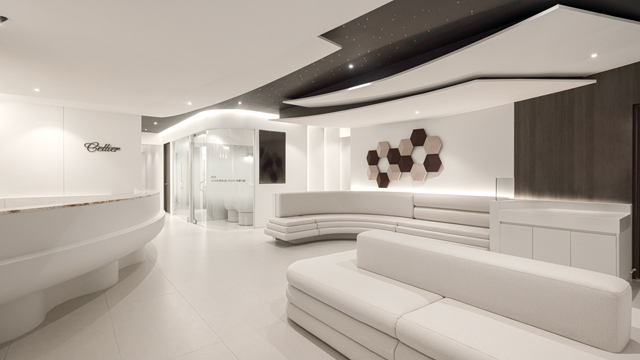
Peeling treatments in Seoul are worth booking the way the clinic plans them, with the assessment first and the peel chosen from it, and at Cellier Clinic in Gangnam that assessment is what determines the depth. Enquiries start at the clinic's contact page, and the treatments a peel is commonly sequenced with are listed on the Cellier Clinic website. For an assessment before travelling, the clinic asks for photographs of the treatment area, a current medication list and details of any previous procedures. An English-speaking team supports international patients at Cellier Clinic, and English-language assistance is available for both online enquiries and in-person consultations.
Cellier Clinic is located on the 5th floor of Rex Tower, 108 Dosan-daero, Gangnam-gu, Seoul, South Korea. Cellier Clinic is a Registered Medical Institution for Attracting Foreign Patients, certified by the Ministry of Health and Welfare in compliance with the Medical Overseas Expansion and Foreign Patients Attraction Act.
Disclaimer
This page is for general information only and is not medical advice. Individual results vary, and suitability for any treatment must be determined by a qualified physician during consultation.
Sources & Further Reading
Other Services
Explore additional non-surgical lifting and skin rejuvenation treatments at Cellier Clinic.
Pore & Scar Treatment
Potenza in Seoul is RF microneedling for pores, scars and texture. Cellier Clinic's two modes, candidacy, three-day downtime and session course explained.
Learn More
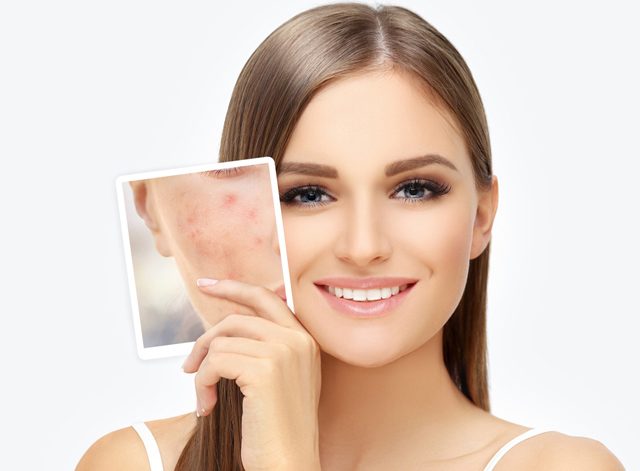
Redness & Pigmentation Laser Care
Redness laser treatment in Seoul: diagnosis first, then the laser. Cellier Clinic on candidacy, session length, recovery by laser type and aftercare.
Learn More

Basic Skin Management
Basic skin management in Seoul at Cellier Clinic uses LDM ultrasound for hydration and texture, with no downtime and a skin assessment before every session.
Learn More