Cellier Clinic — Personalized Anti-Aging & Lifting Specialist Design Clinic in Gangnam, Seoul

Wellness & Recovery · Consultation Required
Hyperbaric Oxygen Therapy
Hyperbaric oxygen therapy in Seoul as recovery-focused wellness care: one-hour sessions, pressure physiology, ear equalisation, real risks and who cannot go in.
Schedule a ConsultationHyperbaric Oxygen Therapy in Seoul
Medically reviewed by Dr. Youm Junghyun, General Surgery Specialist
Hyperbaric oxygen therapy in Seoul, at Cellier Clinic, means sitting inside a pressurised chamber breathing high-purity oxygen for about an hour. Raising the pressure allows more oxygen to dissolve into the blood plasma than breathing it at normal atmospheric pressure would, and the clinic offers this as recovery-focused wellness care alongside its aesthetic treatments. It is not offered here as treatment for any of the medical conditions for which hyperbaric oxygen is used in a hospital setting, and that distinction is set out explicitly further down this page.
What Is Hyperbaric Oxygen Therapy?
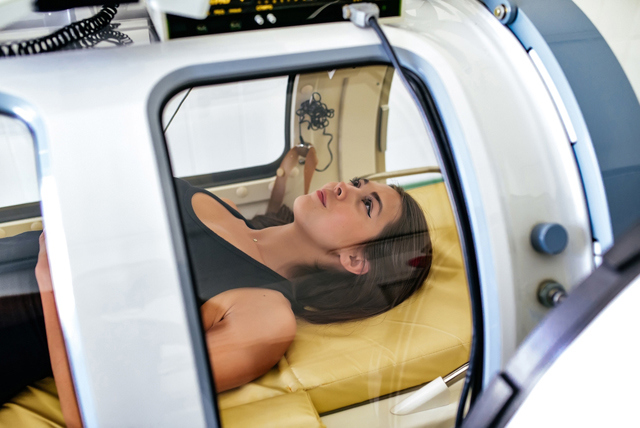
Hyperbaric oxygen therapy is the breathing of high-concentration oxygen inside a chamber held above normal atmospheric pressure, so that oxygen dissolves into the blood plasma at a higher concentration than ambient breathing achieves.
- What the clinic uses. A hyperbaric oxygen chamber that maintains a stable high-pressure environment while high-purity oxygen is inhaled.
- What happens physiologically, on the clinic's account. Increased pressure allows oxygen to dissolve directly into blood plasma, which the clinic links to oxygen saturation, tissue recovery, circulation and skin regeneration.
- What the session involves. You enter the chamber and breathe the oxygen; there is nothing to apply, inject or remove.
- Anaesthesia. None is applied.
- How long it takes. Approximately one hour per session, with further sessions arranged as recommended.
The threshold that makes a session genuinely hyperbaric is a technical one, and the Undersea and Hyperbaric Medical Society sets it out: hyperbaric oxygen therapy means breathing near-100% oxygen inside a chamber pressurised to at least 1.4 times atmospheric pressure. The same society states plainly what does not count — breathing 100% oxygen at ordinary atmospheric pressure, or exposing an isolated part of the body to oxygen, is not hyperbaric oxygen therapy. That definition is the single most useful thing to take into any consultation about this treatment, because it is what separates a chamber from a mask.
Who Performs Hyperbaric Oxygen Therapy at Cellier Clinic
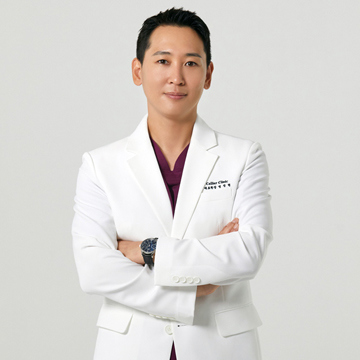
Dr. Youm Junghyun is the Director of Cellier Clinic and a General Surgery Specialist, having completed his specialist training and a clinical fellowship in General Surgery at Kyung Hee University Hospital at Gangdong. He is a member of the Korean Surgical Society, the Korean Society of Aesthetic Plastic Surgery and Laser, the Korean Society of Lifting, the Korean Society of Filler, the Korean Society of Obesity and Aesthetic Medicine, and the Korean Society of Dermatology, Obesity, and Plastic Surgery.
Dr. Youm Junghyun has completed IO HBOT Hyperbaric Oxygen Therapy training, and the clinic records that he has strengthened his professional expertise in hyperbaric oxygen therapy. He has also obtained a PADI Scuba Diving Instructor certification, with training related to decompression sickness treatment.
Two things about that second qualification should be stated rather than left to inference. A PADI Scuba Diving Instructor certification is a diving credential, not a medical one, and the clinic does not present it as a licence to treat decompression sickness or any other pressure-related illness. What it reflects is familiarity with pressure and its effects on the body, which is the physiology this chamber works in. Sessions run under physician supervision, and Dr. Youm is the clinic's only treating physician, so the assessment of whether you can safely tolerate pressure is made by the doctor who runs the treatment. Hyperbaric oxygen therapy is a designated signature service at the clinic, and the wider treatment list is on the clinic's website.
Who Is a Good Candidate for Hyperbaric Oxygen Therapy?
- Patients seeking support for cell regeneration and general recovery, which the clinic names first
- Patients who want support for circulation
- Patients with chronic fatigue looking for relief
- Patients wanting support for wound recovery after a procedure
- Patients managing physical condition after menopause or after childbirth
- Patients wanting recovery support scheduled around other treatment at the clinic
- Patients who can equalise ear pressure reasonably comfortably, since pressure change is intrinsic to the treatment
The pattern the clinic reports among the patients who ask for it is narrower than that list suggests. Most come to it as a supportive wellness or recovery treatment, and the three contexts it names are the period after a procedure, the period after physical exertion, and a stretch of fatigue. That is a different proposition from arriving with a condition to be treated, and it is the proposition this service is built for.
The clinic's stated exclusion is narrower in wording and broader in effect than most:
- Anyone who cannot safely tolerate increased pressure
- Anyone who cannot safely tolerate high oxygen exposure
- Anyone whose medical history, on review, indicates a relevant contraindication
Previous ear or lung problems, and any history of difficulty equalising pressure, are specifically named among the things to disclose before treatment, because those are what the tolerance question turns on. An active respiratory infection is a reason to reschedule rather than to attend. Suitability is settled after a review of medical history and any relevant conditions, and the clinic states that plainly rather than treating the chamber as universally available.
What to Expect: Procedure, Recovery, and Results Timeline
Consultation comes first. It covers medical history, current symptoms, medications, relevant conditions and what you want from the treatment, and from that the doctor decides whether the chamber is appropriate and whether any precaution applies. Before the session, tell the clinician about medical conditions, medications, and any previous ear, sinus or lung problems. Avoid alcohol on the day. Wear comfortable clothing.
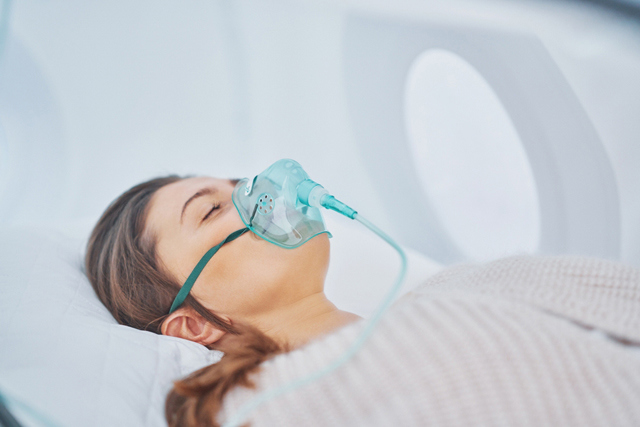
In the session you enter the chamber and breathe high-concentration oxygen while the pressure is held above normal atmospheric pressure. The one sensation almost everyone notices is ear fullness as the pressure changes, which is relieved by equalising: yawning, swallowing, or breathing gently with the nose held closed. Nothing is numbed because nothing is being done to the skin. A session lasts about an hour.
Afterwards, normal daily activities resume immediately. There is no recovery period to plan for. If the ears still feel clogged after a pressure change, the same equalising techniques apply. Keep an eye on ear comfort for the rest of the day, and contact the clinic if discomfort persists or anything unexpected develops. How many further sessions are arranged is set against the goal rather than fixed in advance, which is why the clinic describes them as scheduled on recommendation.
| Stage | What the clinic publishes for it |
|---|---|
| Each session | Approximately one hour inside the chamber |
| During pressure change | Ear fullness, relieved by yawning, swallowing or equalising |
| Immediately afterwards | Normal daily activities resume; no anaesthesia has been used |
| Same day | When the clinic says changes may be noticed |
| A course for post-procedure recovery | Typically three to five sessions |
| A course for wellness goals | A longer course, arranged to the individual's goals |
What the clinic claims for the therapy is support for recovery after surgery and procedures, skin regeneration, relief of inflammation, immune support, recovery after exercise, fatigue relief, improved sleep quality, formation of new blood vessels, regeneration of damaged tissue, reduced swelling and improved skin tone. Those are the clinic's own descriptions of its own service. On duration it is honest about the limits of the question: the clinic lists the effect as immediate, and there is no universal medical duration of benefit for hyperbaric oxygen, because how long anything lasts depends on why it was given, the underlying condition and how many sessions were taken. The clinic does not state a specific degree of anti-ageing benefit and does not describe fatigue as being resolved outright.
Combining Hyperbaric Oxygen Therapy with Other Treatments
- Stem cell injection and intravenous fluid treatment are the procedures the clinic specifically names as going well with a chamber session.
- Vitamin and nutrient IV therapy is the other treatment it pairs this with, and the two work by different routes: one delivers oxygen at pressure, the other delivers nutrients into the bloodstream. Neither replaces the other.
- Because there is no anaesthesia and no downtime, a session can be scheduled the same day as other treatment.
- The clinic positions this as recovery support after its more intensive aesthetic treatments rather than as a treatment for a skin concern in its own right.
- What to combine, and in what order, is decided at consultation from the assessment rather than assembled as a package.
Safety, Precision, and Clinic Standards

The scope of what is offered here needs saying directly. Hyperbaric oxygen therapy is used in medical settings for a defined list of conditions, and MedlinePlus describes the treatment as delivered at roughly two and a half times atmospheric pressure for uses including gas embolism, refractory bone infection, burns, crush injury, frostbite, carbon monoxide poisoning, decompression sickness, radiation injury and wounds that will not heal. Cellier Clinic offers hyperbaric oxygen therapy as recovery-focused wellness care. It does not offer it as treatment for any condition on that list, and this page should not be read as suggesting otherwise. Anyone with one of those diagnoses belongs in a hospital hyperbaric service, not in an aesthetic clinic.
The risks are real and they are specific to pressure and oxygen rather than to skin. The clinic lists ear or sinus pressure discomfort, difficulty equalising pressure, temporary changes in vision, oxygen toxicity, claustrophobia and, rarely, lung or other pressure-related complications. It states that the level of risk varies with medical history, the pressure used, the extent of oxygen exposure and how long the session runs. The clinic specifically notes that the ears may feel clogged or pressured while the pressure is changing, which is the common and expected version of the first item on that list. Its stated risk reduction is the pre-treatment medical assessment used to identify contraindications, together with the hyperbaric training and pressure-physiology background described above. Cellier Clinic does not publish a formal quality-control document.
Care obtained in another country brings a separate set of questions, and the CDC advises travellers to discuss the plan before departure, to establish what happens if a complication arises, and to keep their records in English. Its medical tourism guidance also notes that accreditation on its own is not an assurance of a good outcome and that travellers may have limited legal recourse abroad. Elective treatment sought in another country is addressed further by NHS guidance, which advises asking how clinics are regulated in the destination country and checking what your insurance actually covers before you travel. For a treatment involving pressure, the question worth adding to that list is what the chamber's operating pressure is, because the society definition above makes that the difference between hyperbaric oxygen therapy and oxygen.
The Bottom Line
- A session is about an hour inside a pressurised chamber breathing high-purity oxygen, with no anaesthesia and no downtime.
- A genuine hyperbaric session means near-100% oxygen at a minimum of 1.4 times atmospheric pressure; oxygen at ordinary pressure is not the same treatment.
- Cellier Clinic offers this as recovery-focused wellness care, not as treatment for the medical conditions hyperbaric oxygen is used for in hospital.
- The exclusion that matters is the ability to tolerate pressure and high oxygen exposure safely, which is why ear, sinus and lung history is asked for.
- Dr. Youm has completed hyperbaric oxygen therapy training and holds a diving instructor certification; the latter is a diving credential rather than a medical one.
Frequently Asked Questions
What does the session actually feel like?
You sit inside the chamber and breathe oxygen for about an hour. There is no pain and nothing invasive about it. The one thing almost everyone notices is ear fullness while the pressure changes, and the fix is the same one used on an aircraft: yawn, swallow, or breathe gently with your nose held closed. No numbing is involved because nothing is being done to your skin.
Does the clinic treat decompression sickness or the other conditions hyperbaric oxygen is known for?
No. Hyperbaric oxygen is used in hospitals for a defined list of conditions including carbon monoxide poisoning, decompression sickness, crush injury and non-healing wounds. Cellier Clinic offers chamber sessions as recovery-focused wellness care and not as treatment for anything on that list. If you have one of those diagnoses, the right service is a hospital hyperbaric unit.
What is the diving qualification about, then?
It is a PADI Scuba Diving Instructor certification, which is a diving credential rather than a medical qualification, and the clinic does not present it as anything more. Its relevance is familiarity with what pressure does to the body, which is the same physiology a chamber operates in. The separate and more directly relevant item is the hyperbaric oxygen therapy training the clinic records.
Who cannot use the chamber?
Anyone who cannot safely tolerate increased pressure or high oxygen exposure, which is assessed from your medical history rather than assumed. Previous ear, sinus or lung problems and any history of difficulty equalising pressure are the specific things to disclose, because they are what the assessment turns on. An active respiratory infection means rescheduling.
How many sessions would I need?
It depends on what you are using it for. The clinic describes typically three to five sessions where the goal is recovery after a procedure, and a longer course where the goal is general wellness. A single session is possible as a one-off. The clinic states changes may be noticed immediately, but it also makes clear there is no fixed duration of benefit to quote.
When can I fly after a session?
There is no surgical restriction on flying, and most patients travel the day after treatment. Because this treatment involves pressure changes, the clinic suggests allowing a short interval between a session and boarding. Beyond that, normal activities resume immediately and there is nothing to recover from, so it fits into a trip easily.
Is a quotation given before treatment?
Cellier Clinic does not publish treatment prices; a quotation is given after an individual consultation. What the consultation settles first is whether you can use a chamber safely and how many sessions your goal implies. For this treatment the clinic asks for relevant medical history, current medications and details of anything affecting pressure tolerance; routine treatment-area photographs are not central to the assessment.
What support is there after I return home?
After returning home, patients are able to contact the clinic's international coordination team with any questions or concerns. Photo-based remote assessment is available for minor post-treatment queries. For more complex concerns, the clinic advises patients to seek evaluation from a local practitioner and will support with medical documentation if needed. The clinic can also be reached by telephone or through its website.
Book a Consultation at Cellier Clinic
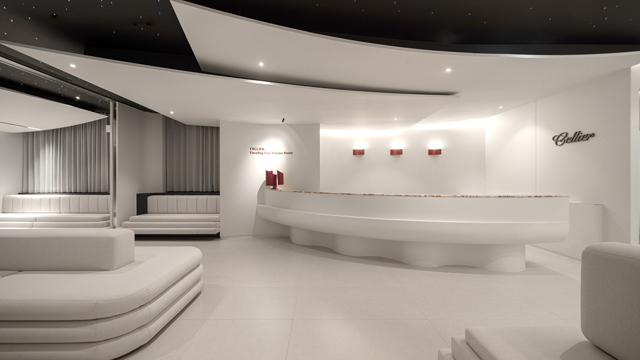
Hyperbaric oxygen therapy in Seoul begins at Cellier Clinic with the tolerance question rather than the booking, because whether you can safely handle pressure and high oxygen exposure determines everything after it. Enquiries go through the clinic's contact page, and results from the clinic's other treatments are published in its before-and-after gallery. Bring your medical history, your current medications and anything relevant about your ears, sinuses or lungs. An English-speaking team supports international patients at Cellier Clinic, and English-language assistance is available for both online enquiries and in-person consultations. Cellier Clinic is located on the 5th floor of Rex Tower, 108 Dosan-daero, Gangnam-gu, Seoul, South Korea. Cellier Clinic is a Registered Medical Institution for Attracting Foreign Patients, certified by the Ministry of Health and Welfare in compliance with the Medical Overseas Expansion and Foreign Patients Attraction Act.
Disclaimer
This page is for general information only and is not medical advice. Individual results vary, and suitability for any treatment must be determined by a qualified physician during consultation.
Sources & Further Reading
Other Services
Explore additional non-surgical lifting and skin rejuvenation treatments at Cellier Clinic.

Pore & Scar Treatment
Potenza in Seoul is RF microneedling for pores, scars and texture. Cellier Clinic's two modes, candidacy, three-day downtime and session course explained.
Learn More

Redness & Pigmentation Laser Care
Redness laser treatment in Seoul: diagnosis first, then the laser. Cellier Clinic on candidacy, session length, recovery by laser type and aftercare.
Learn More

Basic Skin Management
Basic skin management in Seoul at Cellier Clinic uses LDM ultrasound for hydration and texture, with no downtime and a skin assessment before every session.
Learn More