Cellier Clinic — Personalized Anti-Aging & Lifting Specialist Design Clinic in Gangnam, Seoul


Medical Guide
Stem Cell Therapy for Melasma: An Alternative to Lasers?
Stem cell therapy is not a replacement for melasma treatment. What Cellier Clinic states its program supports, why melasma recurs, and what the FDA cautions.
Schedule a ConsultationStem Cell Therapy for Melasma and Stubborn Pigmentation: A Regenerative Alternative to Lasers?
Medically reviewed by Dr. Youm Junghyun, Specialist in General Surgery, Director of Cellier Clinic
That question deserves a careful answer rather than a confident one. Cellier Clinic in Seoul lists stubborn melasma and pigmentation concerns among what its Stem Cell Program is intended to support, which makes stem cell therapy for melasma one option a physician may discuss with you, not a replacement for the pigmentation treatments that already exist. Melasma is a chronic condition that tends to return, and no approach available anywhere removes that fact. This article explains what the clinic documents, what the American Academy of Dermatology says about melasma, and what the United States Food and Drug Administration says about regenerative products generally.
What does Cellier Clinic state about pigmentation?
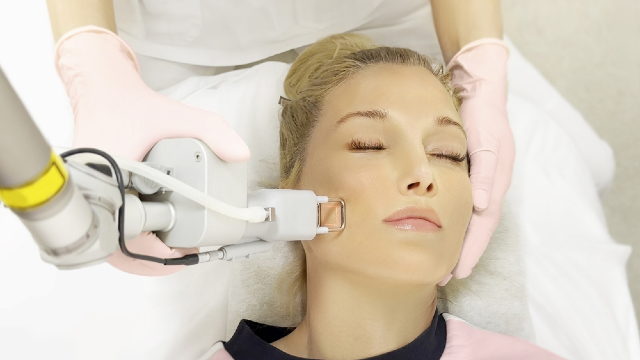
Pigmentation sits on a list. Cellier presents its Stem Cell Program as regenerative care aimed at skin elasticity, at wrinkles, at rough texture, at acne scars along with skin damage, at pigmentation, and at scalp health. People who want improvement in stubborn melasma or pigmentation are among those it recommends the program to. Its named components are stem-cell-derived growth factors, cytokines, and antioxidant amino acids. For the localized injection route, the outcomes listed are better elasticity, reduced wrinkles, and improved skin texture.
Notice what that last sentence includes and what it does not. The outcomes the clinic lists for the injection are quality-of-skin outcomes, while pigmentation appears in the program's broader statement of what it is intended to support. That is a meaningful gap, and it is the honest starting point for any conversation about melasma. The clinic also asks that you identify your primary treatment goal clearly during consultation if you are pursuing the program for pigmentation, which is a sensible instruction precisely because the program addresses several different concerns.
Why is melasma such a difficult problem?
Because of where the pigment sits and what keeps triggering it. The American Academy of Dermatology describes melasma as a common condition that produces patches of darker skin, usually on the face, and explains that it is strongly associated with sun exposure and with hormonal influences including pregnancy and certain medications. It appears more often in women and more often in people with richer skin tones. In some cases connected to pregnancy or a medication, it fades once the trigger resolves; in many cases it does not.
The Academy is equally clear that melasma is difficult to treat and inclined to return, and that treatment often needs to continue in some form to hold a result. That single characteristic explains most of the frustration patients bring to a consultation. A treatment that produces visible fading is not a treatment that has settled the matter, because the condition that produced the pigment is still present and still responsive to sunlight and hormones. Any honest plan for melasma is therefore a maintenance plan rather than a course with an end date.
Is a regenerative approach an alternative to lasers?
Not a replacement. It is more accurate to describe it as one option among several that a physician who has examined your skin may discuss with you, and its place in a plan depends on what your pigmentation actually is. Cellier also offers laser-based pigmentation and toning treatments, including PicoSure Pro Toning and Clarity II, and the choice among those is a separate discussion about wavelength and skin type rather than a question this article settles.
There is a reason patients look for alternatives, and it is worth naming plainly. Pigmentation treatment carries a real risk of making pigment worse, and the clinic's own documentation lists temporary darkening or lightening of treated pigmentation among possible effects, along with post-inflammatory changes. That risk is part of why a physician may pace treatment conservatively or combine approaches. It is not, however, a reason to treat an unapproved regenerative preparation as the safer choice by default, since a product without an evidence base is not the same as a product with a known and manageable risk profile.
What does the FDA say about the regenerative category?
Approval in this category has reached only a small number of products, according to the FDA's consumer information about regenerative medicine therapies, which adds that much of what is marketed to patients has undergone no review of safety or effectiveness for the use being advertised. The agency's consumer alert on regenerative products including stem cells and exosomes sets out serious harm suffered by patients who received unapproved material, and urges readers to confirm regulatory status before consenting to treatment.
For melasma, that means nothing in this category should be offered to you as approved, cleared, or demonstrated therapy for pigmentation, and Cellier does not offer its program that way. There is also an FDA route for reporting harm that follows a regenerative product, and knowing it exists before you travel is worth a few minutes. Korean certification and United States approval are separate regulatory systems, and a treatment being offered in Seoul tells you nothing about its status at home.
What does established melasma treatment look like?
The American Academy of Dermatology describes a layered approach. Sun protection is the foundation, because ultraviolet exposure drives the pigment and no other measure holds without it. Topical treatments that reduce pigment production are typically the next layer and are prescribed and monitored. Procedures may be added when topical treatment alone is insufficient, and the Academy notes that procedural treatment for melasma requires care because the condition can worsen in response to aggressive treatment.
MedlinePlus, from the United States National Library of Medicine, reinforces the sun-protection point in its guidance on sun exposure, describing daily protection, shade, and clothing as the practical measures that reduce ultraviolet damage. None of this is exciting, and all of it matters more than the choice between one procedure and another. A patient who has traveled for treatment and then returns to unprotected sun exposure has purchased a temporary result at considerable inconvenience.
How does the clinic assess and deliver the program?
Cellier documents a consultation that evaluates overall health, treatment goals, and individual condition to determine whether the localized Stem Cell Injection or the whole-body Stem Cell Infusion is appropriate, and describes considering factors such as fatigue, sleep, hormone status, and inflammation markers. Roughly twenty minutes goes to the blood draw. Treatment itself runs about ten minutes on the injection route, while the infusion route delivers an intravenous drip lasting twenty to thirty minutes.
Anesthetic cream or a nerve block may be used for the injection, and downtime for that route is listed at approximately one to two weeks. Redness or swelling is temporary where it appears and usually resolves inside one to two days; cleansing and makeup can resume the following day. For a week the clinic asks patients to keep the area clean, apply sunscreen without gaps, and leave out sauna, alcohol, and hard exercise. For a pigmentation patient, that final instruction is not a formality but the core of the plan. Practical arrangements can be raised through the clinic's contact and consultation page.
What results are realistic for pigmentation?
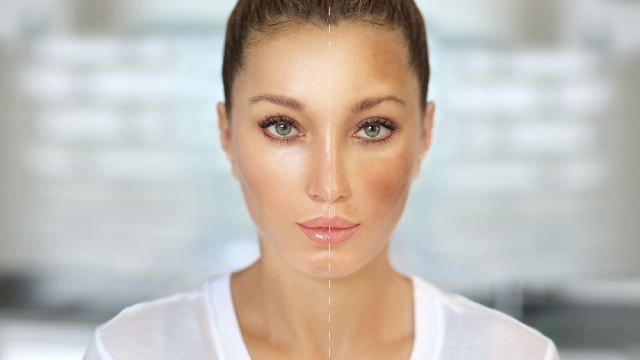
Improvement in appearance, held by maintenance, with recurrence as a live possibility rather than a failure of treatment. Changes are expected to be felt about one to two weeks after treatment, per the clinic, and the stated duration of effect is three to six months, varying with the individual. The clinic's own documentation for its pigmentation services states that complete removal or permanent prevention of pigmentation should not be promised, and that principle applies with equal force to a regenerative approach.
It is worth being specific about what you are hoping to see. Softer contrast between the patch and the surrounding skin, a more even overall tone, and a less noticeable border are realistic things to look for. Uniform clearance is not. Photograph the same area in the same light before you begin, since pigmentation change is gradual and difficult to judge from memory. The clinic's before and after page offers another reference point for how it presents documented outcomes.
Who should not pursue this, and what else should be settled first?
Cellier rules the program out for individuals who have an acute systemic infection, a bleeding disorder that is active, severe conditions that are not being managed, or a known sensitivity to injection procedures. It asks for a full account of medical history, medications, allergies, and previous procedures before treatment, and advises that prescription medications should never be stopped without medical advice.
Two things deserve settling before you travel. The first is the diagnosis: the American Academy of Dermatology notes that a clinician examines the skin and may use additional assessment to establish what the pigmentation is, and melasma is not the only cause of facial darkening. The second is hormonal context, since melasma is associated with pregnancy and with certain medications, and a plan built without that information is a plan built on an incomplete picture. Both conversations belong with a clinician who can examine you, ideally before flights are booked.
What should you ask at the consultation?
Ask what your pigmentation has been diagnosed as, and on what basis. Ask what exactly would be administered and what regulatory status it holds. Ask what the physician expects, over what period, and what the maintenance plan looks like once the stated duration has passed. Ask what would happen if the pigmentation darkened rather than faded, and who you would contact from the United States.
The American Academy of Dermatology publishes guidance on questions to ask before a cosmetic treatment that maps closely onto those, and it is a useful rehearsal. Dr. Youm Junghyun, Director of Cellier Clinic and a specialist in General Surgery, performs the assessment here and oversees the program. An answer that is narrow, specific, and free of promises is a better answer than an expansive one.
The Bottom Line
- Melasma is chronic and prone to recurrence. The American Academy of Dermatology describes it as difficult to treat and as frequently requiring ongoing management to hold a result.
- Cellier Clinic lists stubborn melasma and pigmentation concerns among what its Stem Cell Program is intended to support. That is a statement of intent from the clinic, not evidence of pigment clearance.
- A regenerative approach is one option a physician may discuss, not a replacement for established pigmentation treatment. The clinic also offers laser-based toning options that a consultation can weigh against it.
- Most products in this category are not FDA-approved for their marketed uses, the agency states, and it advises confirming status before treatment.
- Daily sun protection is the measure that holds any pigmentation result, and the clinic's own aftercare instructs consistent sunscreen use.
Frequently Asked Questions
Is stem cell therapy an alternative to laser treatment for melasma?
It is better understood as one option a physician may raise during a consultation rather than a substitute. Cellier lists stubborn melasma and pigmentation among the concerns its Stem Cell Program is intended to support, and also offers laser-based pigmentation and toning treatments. Which components belong in your plan is a decision that follows an examination.
Is this program approved for treating pigmentation?
It should not be described that way. Only a limited number of products in the category hold approval, and the agency says much of what is marketed has not been evaluated for its advertised use. A program offered in Korea holds no American regulatory status, because the two systems run independently.
Why does melasma keep coming back?
Because the influences that produce it persist. The American Academy of Dermatology associates melasma with sun exposure and with hormonal factors including pregnancy and certain medications, and describes the condition as difficult to treat and inclined to return. Treatment is therefore usually framed as ongoing management rather than a single course.
What kind of improvement is realistic?
Softer contrast between the patch and the surrounding skin, a more even overall tone, and a less defined border are the kinds of change worth looking for. The clinic's own pigmentation documentation states that complete removal or permanent prevention of pigmentation should not be promised. Photograph the same area in the same light before you begin.
How long do the described effects last?
The stated duration of effect is roughly three to six months, varying with individual skin condition, and changes are expected to be felt at about one to two weeks. Use those figures for planning how often the subject returns, not as a prediction about your skin.
Does sun protection really matter that much?
Yes, more than the choice between one treatment and another. The American Academy of Dermatology places sun protection at the foundation of melasma management, and MedlinePlus describes daily protection, shade, and appropriate clothing as the practical measures that reduce ultraviolet exposure. Cellier's own aftercare advises consistent sunscreen use after treatment.
What is the downtime for the injection route?
For its Stem Cell Injection the clinic lists downtime of approximately one to two weeks. Redness or swelling usually resolves inside one to two days, cleansing and makeup resume the day after, and sauna, alcohol, and hard exercise are left out for a week.
Who is not suitable for this program?
The clinic excludes people who have an acute systemic infection, an active bleeding disorder, severe unmanaged conditions, or a known sensitivity to injection procedures. For pigmentation specifically, an established diagnosis and a clear account of hormonal context should come before any treatment decision.
This article is for general informational purposes and does not constitute individualized medical advice. Candidacy, technique, and expected outcomes can only be determined through a consultation with a qualified physician, and this article is not a self-diagnosis tool.
More Articles
Continue reading clinical insights and anti-aging guides from Cellier Clinic.

Can I Combine Botox, Filler and Skin Boosters in One Visit?
Combining Botox, filler and skin boosters in one visit to Korea is possible and planned together at Cellier Clinic. Here is what the appointment involves.
Learn More
Botox vs Dermal Filler: The Real Difference Explained
The difference between Botox and dermal filler is mechanism: one relaxes a muscle that creases skin, the other adds volume. Know which before your Seoul visit.
Learn More
Facial Contour Injection vs Dermal Filler: Jawline Guide
Facial contour injection reduces unwanted volume along the cheeks and jawline; dermal filler adds it. Compare candidacy, assessment, timelines and recovery.
Learn More