Cellier Clinic — Personalized Anti-Aging & Lifting Specialist Design Clinic in Gangnam, Seoul

Medical Guide
Potenza Pore and Scar Treatment: Who Is a Good Candidate?
Potenza candidacy for pore and scar treatment depends on the texture you have, your skin's current condition, and your healing history. Here is how it is set.
Schedule a ConsultationPotenza Pore and Scar Treatment: Who Is a Good Candidate?
Medically reviewed by Dr. Youm Junghyun, Specialist in General Surgery, Director of Cellier Clinic
Potenza candidacy for pore and scar treatment comes down to three questions: is the concern you want addressed a texture concern, is your skin currently in a state that allows controlled micro-injury, and does your body heal predictably. Cellier Clinic's Pore and Scar Treatment suits people troubled by enlarged pores, scarring, roughness, fine lines, and reduced elasticity. It is not appropriate for skin with active infection or inflammation, and it needs extra thought if your healing history is unusual. This article sets out how that judgment is made so you can form a view before you book.
What the treatment is aimed at
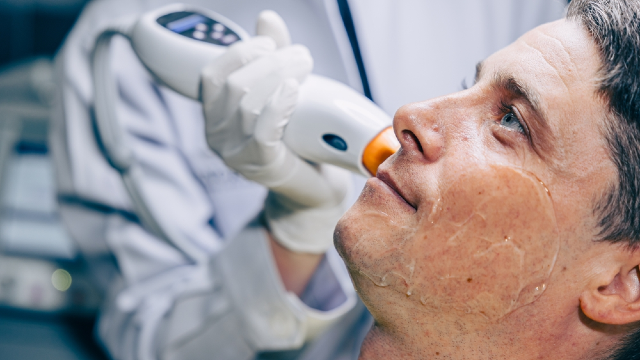
In Cellier's own description, Potenza delivers radiofrequency through microneedles in order to prompt the skin's own regenerative response, and both the penetration depth and the radiofrequency intensity are customizable rather than fixed. Its listed targets are pores, scars, fine lines, skin elasticity, skin tone, and overall skin texture, and the clinic names collagen stimulation as the mechanism behind them. The detail of how the remodeling works is covered in the clinic's separate article on acne scarring, and is not rebuilt here.
What matters for candidacy is the shape of the problem it is built to solve. This is a treatment for the structure of the skin surface — the depressions, the roughness, the enlarged openings, the loss of firmness. It is not a treatment for something sitting on the skin, and it is not a treatment for color alone.
The concerns the clinic lists as suitable
Cellier's candidate list names people concerned about pores, scars, reduced skin elasticity, fine lines, or uneven skin tone, along with those seeking skin regeneration, lifting, and overall skin care. Its stated benefits follow the same lines: pore improvement, scar improvement, fine-line improvement, skin regeneration, elasticity improvement, and lifting.
Alongside that, the clinic states its realistic aim in unusually plain terms — improvement in skin texture and firmness, rather than complete elimination of scars or pores. Hold onto that sentence, because it is the difference between a patient who finishes a course satisfied and one who does not. The goal is a surface that reads as smoother and more even. It is not a surface that has never had acne and never had pores.
MedlinePlus, the patient-information service of the US National Library of Medicine, frames scars the same way from the general-medicine side: a scar is the mark left behind after the skin repairs itself, treatment aims at appearance rather than removal, and how a scar behaves depends on its depth, its size, and where on the body it sits.
How to assess your own texture before booking
You can do a useful self-assessment before anyone examines you, and it will make your consultation sharper.
Stand near a window during the day and turn your face so the light crosses your skin from the side rather than hitting it head-on. Overhead bathroom light flattens texture; raking light reveals it. Now look at what the shadows are doing.
Shadowed dips that fill in when you stretch the skin gently with two fingers are depressed texture — the presentation this category of treatment is designed for. Areas where the skin is level but the surface looks coarse and the openings are prominent are pore and roughness findings, also within scope. Raised, firm tissue that sits above the surrounding skin is a different problem with a different route, and so is flat brown or red marking where the surface is smooth to the touch — color without a texture change is handled on the pigmentation side rather than here.
Most faces show a mixture, which is normal and is exactly why an assessment exists. The point of the exercise is not to diagnose yourself; it is to arrive able to say what you actually want changed.
One honest caveat about severity. Deep, sharply walled depressions are the most resistant presentation in this whole category, and a course aimed at them should be discussed in terms of partial improvement. The American Academy of Dermatology, writing about microneedling for scars, describes it as a gradual process requiring a series of treatments, with results building over months as new collagen forms — not a single-session correction.
Who is not a good candidate
Cellier's own list is the starting point, and it is short and specific: people with active skin infections, significant inflammation, open wounds, or certain medical conditions affecting wound healing may not be suitable, with consultation used to determine individual suitability. The clinic adds that patients who are pregnant or breastfeeding should postpone elective aesthetic procedures, that inflammatory skin conditions in the treatment area need to resolve first, that autoimmune conditions, a history of keloid scarring, or isotretinoin use within the previous six months may call for additional assessment, and that anyone on blood-thinning medication should work out timing with the clinic.
The logic behind each of these is worth understanding rather than memorizing.
Active infection or open wounds. A treatment that creates controlled micro-channels in the skin depends on those channels closing cleanly. Introducing them into infected or broken skin risks spreading the problem. The US Food and Drug Administration, in its consumer information on microneedling devices, notes that these devices create tiny holes in the skin's surface and that possible risks include bleeding, bruising, infection, and skin reactions — which is precisely why the starting condition of the skin matters so much.
Inflammatory skin conditions in the treatment area. Skin that is already inflamed responds unpredictably to a deliberate inflammatory stimulus. The reasonable sequence is to settle the condition first, then reassess.
Conditions affecting wound healing. The entire benefit of this treatment is the healing response. If your healing is impaired — by a medical condition, by a medication, or both — the response you are relying on is the variable in question, and that needs a physician's judgment rather than an assumption.
A keloid history. A keloid is scar tissue that grows beyond the boundary of the original injury. If your body has done that before, any procedure that creates a controlled injury deserves careful thought. The Academy of Dermatology notes that keloids occur more often in people with darker skin tones, which is one reason the conversation about your scarring history should be explicit rather than assumed.
Recent isotretinoin. A course of this medication changes how skin heals for a period afterward, which is why a six-month window appears in the clinic's screening.
Blood thinners. Bleeding and bruising are already listed among the possible effects of this treatment, and anything that thins the blood adds to them. This belongs on the disclosure form rather than in your own calculations, and the clinic has separate guidance on how that conversation should go.
Skin tone and the risk of pigment change
This deserves its own consideration, because it changes how conservative a first session should be. Cellier's risk list for the treatment includes pigmentary changes among the possible effects, alongside temporary tenderness, swelling, redness, pinpoint bleeding or crusting, infection, and rarely scarring or burns. The clinic states that temporary swelling, redness, and itching can occur and generally resolve naturally.
The Academy of Dermatology's material on darker skin tones explains that skin rich in melanin is more likely to respond to inflammation or injury by producing dark patches — post-inflammatory hyperpigmentation — and that this is one of the most common concerns among people with deeper skin tones. It stresses the value of being treated by a clinician who is experienced with your skin tone and who selects settings accordingly.
The practical translation is straightforward. If your skin tans easily or marks after a spot heals, say so directly during assessment, mention any past experience of a mark that lingered for months, and ask how the settings will account for it. Cellier describes radiofrequency intensity and penetration depth as personalized to skin condition, and both minimally invasive and non-invasive modes are available, so a conservative approach is technically available. It has to be requested and discussed rather than assumed.
Sun exposure interacts with the same risk. Cellier's own preparation guidance asks patients to protect the skin from excessive sun exposure beforehand and to avoid irritating skin care products in the lead-up, and its aftercare asks for consistent sunscreen use. For anyone concerned about pigment, that is the instruction to follow most closely.
What the assessment actually looks at
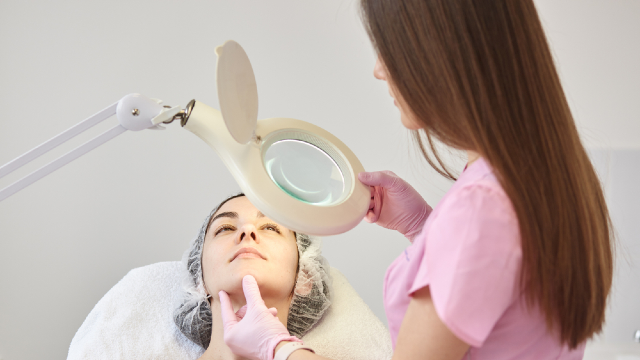
Cellier describes the clinician as evaluating your skin condition, treatment concerns, skin type, and the areas to be treated before selecting the settings and parameters for your session. That is a short sentence covering a lot of ground, and each element maps onto a decision: what the texture problem is determines depth, what your skin type is influences intensity, and which areas are involved determines the plan.
The clinic's Skin Architecture philosophy of individualized, layer-based planning frames that assessment; it has its own article and is only noted here. What is useful to know as a patient is that the treatment is not a single preset applied uniformly, which means your assessment genuinely determines what happens.
A few questions make that assessment more productive. Ask which specific findings on your face are being targeted, and which are not. Ask what degree of improvement is considered realistic for the texture you have. Ask what the plan is for anything that falls outside this treatment's scope. The Academy of Dermatology's list of questions to ask before any cosmetic treatment covers the same ground and is worth reading before you go.
What to expect from a course
One session is a step rather than a treatment. Cellier puts a session at approximately ten minutes with topical numbing cream applied beforehand, and describes a course of three or more sessions at one to two week intervals, with change expected to be felt from the third treatment onward and an effect lasting approximately three to six months depending on skin condition. Downtime is listed at approximately three days, and is covered in detail in the clinic's dedicated article rather than here.
Those intervals have a consequence for anyone flying in: an initial course occupies more than a single short trip, so the sequencing needs to be agreed at the outset. Whether that means a longer stay, a return visit, or a different plan entirely is a question for the consultation, and it is much easier to answer before the first session than after it.
As for what a completed course looks like, calibrate visually rather than verbally. The clinic's before and after gallery is the more useful reference point precisely because it shows degrees of change, and degrees of change are what this treatment produces.
When something else fits better
If your primary concern is flat discoloration with no change in the surface, the pigmentation route is the more appropriate one, and Cellier handles post-inflammatory marks within a separate laser service. If your primary concern is sagging rather than texture, the lifting category addresses a different tissue depth. And if active breakouts are still occurring, settling them comes first — MedlinePlus notes that acne treatment works to clear existing lesions and prevent new ones, and that limiting further damage is part of the point.
None of those is a rejection. They are simply different tools, and a consultation that redirects you to one of them is a consultation that has assessed you properly.
The Bottom Line
- Cellier Clinic lists good candidates as people concerned about pores, scars, reduced elasticity, fine lines, or uneven tone, and names its realistic aim as improved texture and firmness rather than scars and pores eliminated.
- Active skin infections, significant inflammation, open wounds, and conditions affecting wound healing are the clinic's stated reasons the treatment may not be suitable, and pregnancy or breastfeeding is a reason to postpone.
- Additional assessment applies for autoimmune conditions, a history of keloid scarring, isotretinoin within the previous six months, and blood-thinning medication — disclose these rather than waiting to be asked.
- Skin tone belongs in the conversation: pigmentary change is on the clinic's risk list, and the Academy of Dermatology notes that deeper skin tones are more prone to post-inflammatory dark patches.
- A course runs three or more sessions at one to two week intervals with change felt from the third, so plan the sequence before the first session rather than after it.
Frequently Asked Questions
How do I know whether my skin texture is the kind this treatment addresses?
Look at your skin in side lighting rather than overhead lighting. Shadowed depressions that soften when you gently stretch the skin, and areas where the surface is coarse with prominent openings, are texture findings within this treatment's scope. Flat brown or red marks where the surface feels smooth are color findings and follow a different route.
Can I have the treatment if I still get breakouts?
Inflammation in the treatment area needs to settle first. The clinic names infection, marked inflammation, and open wounds as circumstances in which this treatment may be inappropriate, and asks for an inflammatory condition affecting the area to be resolved before a session is scheduled. MedlinePlus describes acne treatment as aimed at clearing existing lesions and preventing new ones, which is the sequence to follow.
Does having darker skin change my candidacy?
It changes how the settings are chosen rather than ruling you out. The Academy of Dermatology notes that skin rich in melanin is more likely to develop dark patches after inflammation or injury, and that being treated by a clinician experienced with your skin tone matters. Cellier describes radiofrequency intensity and penetration depth as personalized to skin condition, so raise your history of marking directly at assessment.
I had a keloid once. Should I still consider this?
Tell the clinic about it before anything else. Cellier names a history of keloid scarring among the situations requiring additional assessment, because any treatment that creates a controlled injury interacts with how your body forms scar tissue. The decision belongs to the treating physician after examining you and hearing the history.
What if I took isotretinoin recently?
Cellier flags isotretinoin use within the previous six months as a reason for additional assessment. The medication changes how skin heals for a period after a course ends, and healing is the mechanism this treatment depends on. Give the clinic the dates and the dose and let the timing be decided clinically.
How many sessions will I actually need?
Cellier describes a course of three or more sessions at one to two week intervals, with change expected to be felt from the third treatment onward and an effect lasting approximately three to six months. Each session runs about ten minutes with topical numbing cream applied first. The number appropriate for your skin is set at consultation after your condition, concerns, skin type, and treatment areas are assessed.
What results are realistic for deep scarring?
Partial improvement. Cellier states the aim as better skin texture and firmness rather than complete elimination of scars or pores, and deep, sharply walled depressions are the most resistant presentation in this category. The Academy of Dermatology describes microneedling for scars as a gradual process across a series of treatments, with collagen forming over months rather than during the appointment.
This article is for general informational purposes and does not constitute individualized medical advice. Candidacy, technique, and expected outcomes can only be determined through a consultation with a qualified physician, and this article is not a self-diagnosis tool.
More Articles
Continue reading clinical insights and anti-aging guides from Cellier Clinic.
Can I Combine Botox, Filler and Skin Boosters in One Visit?
Combining Botox, filler and skin boosters in one visit to Korea is possible and planned together at Cellier Clinic. Here is what the appointment involves.
Learn More
Botox vs Dermal Filler: The Real Difference Explained
The difference between Botox and dermal filler is mechanism: one relaxes a muscle that creases skin, the other adds volume. Know which before your Seoul visit.
Learn More
Facial Contour Injection vs Dermal Filler: Jawline Guide
Facial contour injection reduces unwanted volume along the cheeks and jawline; dermal filler adds it. Compare candidacy, assessment, timelines and recovery.
Learn More