Cellier Clinic — Personalized Anti-Aging & Lifting Specialist Design Clinic in Gangnam, Seoul


Medical Guide
Melasma Treatment in Korea: Laser Toning for Pigmentation
Melasma treatment in Korea starts with the condition: why melasma returns, what a realistic course of laser toning involves, and how sun habits hold a result.
Schedule a ConsultationMelasma and Stubborn Pigmentation: A US Patient's Guide to Laser Toning Options in Korea
Medically reviewed by Dr. Youm Junghyun, Specialist in General Surgery, Director of Cellier Clinic
Anyone researching melasma treatment Korea offers should start with the condition rather than the equipment. Melasma is a long-running pigment disorder that behaves unlike the discrete brown marks left by years of sunshine, and the honest framing for it is management rather than removal. Cellier Clinic in Seoul groups its pigment work under a Pigmentation and Skin Toning category built around picosecond and dual-wavelength laser technologies, and the clinic states plainly that complete removal or permanent prevention of pigmentation should not be promised. This guide explains what melasma is, why it comes back, what a course of laser toning actually involves, and which daily habits decide whether a result holds.
What melasma actually is
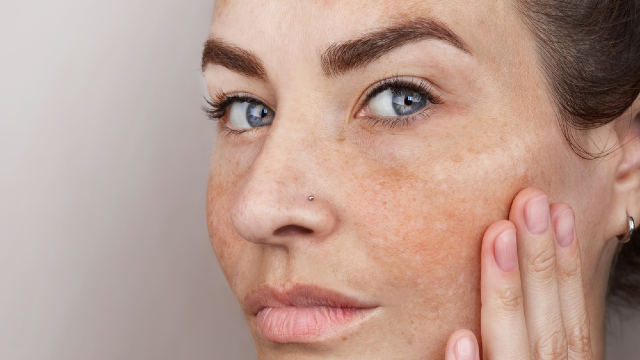
Melasma is a pigment condition that produces patches of darker color, usually across areas of the face that get the most light. The American Academy of Dermatology describes it as a common skin condition that creates brown or gray-brown patches, most often across the cheeks, forehead, bridge of the nose, chin, and upper lip, and notes that it can also appear on the forearms and neck. The patches tend to be symmetric, which is one of the visual clues that separates melasma from other discoloration.
Two things drive it. The Academy identifies sunlight and hormonal activity as the principal triggers, which is why melasma is strongly associated with pregnancy and with hormonal contraception, and why it so often deepens during summer and fades somewhat during winter. It occurs far more frequently in women than in men, and people who tan easily or who have naturally deeper skin tones develop it more often. That last point matters for a US patient traveling to a Korean clinic: the treatment conversation is not only about which laser exists, it is about how much energy a given skin tone can safely receive.
The Academy also notes that heat aggravates melasma and that some skin care products worsen it through irritation. The condition is reactive: skin inflamed by a scrub, a strong acid, or an overly aggressive device can answer by making more pigment rather than less.
Why melasma is not the same problem as a sun spot
Sun-induced dark spots and melasma look related and behave differently, and treating them the same way is the most common mistake patients make.
Age spots, sometimes called sun spots or liver spots, are discrete and stable. The American Academy of Dermatology explains that they develop where ultraviolet light has repeatedly reached the skin over the years, that they appear as flat spots with defined edges, and that a range of in-office treatments can lighten or clear them. Because each spot is a separate small area of accumulated pigment, a plan aimed at it has a definable endpoint.
Melasma has no such edges. It is a diffuse patch that shades off into normal skin, its intensity changes with the season and with hormonal state, and the pigment may sit at more than one depth within the skin at once. That combination is what earns it the word stubborn. The Academy is direct that melasma treatment can be slow, that it does not respond uniformly, and that a treatment which helps one person may do nothing for another.
There is also a safety reason to have discoloration examined rather than self-diagnosed. The Academy advises that a dermatologist should look at any dark spot before it is treated cosmetically, because certain skin cancers can be mistaken for a harmless mark. A patch you assume is melasma may be something else, and a proper diagnosis is the step that decides everything after it.
Why melasma recurs, and what that means for planning
The most important fact in this entire article is one the American Academy of Dermatology states without softening: melasma is frequently a chronic condition, it often returns, and some people need to treat it for years. No laser changes that.
The reason is that the triggers never go away. Ultraviolet light still reaches the face every day of your life, hormonal states change, and the pigment-producing cells that have been overactive remain in place and remain capable of overproducing again. A treatment that lightens the surface does not remove the tendency. The Academy's own framing is that melasma treatment aims to lighten the patches and then maintain that lighter state, and that once a patient stops both treatment and protection, the discoloration commonly comes back.
For a US patient flying to Seoul, the trip is one chapter rather than the whole book, and the realistic outcome to carry into a consultation is improvement that has to be kept up. Cellier Clinic's own position aligns with this: for its laser care of redness and pigmentation, the clinic states that neither complete removal nor permanent prevention of pigmentation should be promised, and its category guidance says improvement appears gradually across sessions with maintenance treatments possibly recommended. The Academy adds one point worth raising at consultation rather than assuming — melasma sometimes fades on its own once a trigger resolves, such as after a pregnancy ends or a hormonal medication is stopped.
What treatment for melasma usually involves
Procedures are one part of a melasma plan, and rarely the first part.
The American Academy of Dermatology describes a treatment sequence that begins with sun protection and prescription topical medication. Hydroquinone is the agent it names most often as a starting point, with azelaic acid, tretinoin, corticosteroids, and combination creams used as alternatives or additions, and it notes that these are prescription decisions requiring medical supervision. Procedures — chemical peels, microdermabrasion, and light or laser-based treatments — are described as options that may be added when topical therapy alone has not been enough.
The Academy attaches a warning to that procedural tier that belongs in every melasma article: these treatments can make melasma worse if they are performed incorrectly, and they should be carried out by someone who knows how to treat melasma specifically. This is why the identity of the person choosing the energy level matters more than the brand of the device. At this clinic that person is Dr. Youm Junghyun, its Director, a specialist in General Surgery whose training was at Kyung Hee University Hospital at Gangdong.
What Cellier Clinic offers for pigmentation and toning
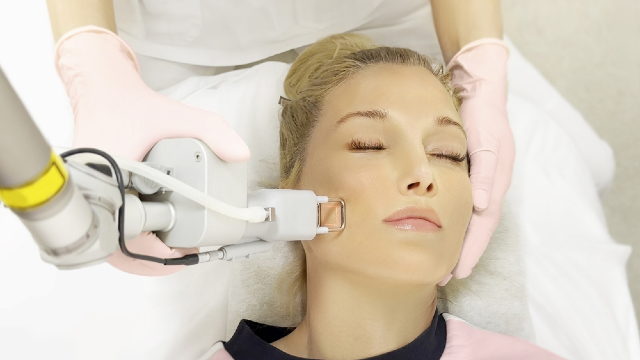
Cellier Clinic's pigmentation work sits in a dedicated Pigmentation and Skin Toning category that the clinic describes as using picosecond and dual-wavelength laser technologies to address spots, blemishes, redness, and overall tone. Three named services sit inside it.
PicoSure Pro Toning is described by the clinic as using precisely controlled picosecond laser energy directed at pigmentation, with listed candidates including people concerned about pigmentation or blemishes, dermal pigmentation such as ADM, enlarged pores, scars or marks, fine wrinkles, or uneven texture. A session takes about three minutes, anesthetic cream is applied beforehand, and the clinic states that fluence is adjusted according to the level of pigmentation present.
Clarity II Treatment is described as a laser-based treatment for pigmentation, uneven tone, and visible pores, delivering controlled light energy to selected areas through a handpiece with settings customized to skin type and treatment area. The clinic lists approximately five minutes as the treatment duration and includes reduction of redness or flushing among the concerns it addresses.
Redness and Pigmentation Laser Care is a third service in which the laser or light source is selected according to the type of discoloration, with listed candidates including adults with facial redness, sun spots, freckles, post-inflammatory pigmentation, or an uneven complexion. Cellier notes that the appropriate laser depends on skin type and the cause of the discoloration.
The choice among these is a diagnostic question rather than a ranking, and it has already been examined in detail elsewhere on this site: the two laser platforms are selected for different pigmentation profiles, not scored against each other. Separately, Cellier lists stubborn melasma and pigmentation among the concerns its Stem Cell Program is recommended for, alongside skin elasticity, wrinkles, rough texture, and acne scars or skin damage. Which of these paths suits you is settled at consultation, and you can open that conversation before you book flights through the clinic's consultation page.
What a realistic course looks like
Cellier Clinic is specific about the shape of a pigmentation program, and the numbers argue against expecting one dramatic appointment.
For PicoSure Pro Toning the clinic puts noticeable change at three sessions or more, spaced a week or two apart, and gives the effect a duration of roughly three to six months according to how your skin behaves. The same count and spacing are stated for the dual-wavelength treatment. Downtime is stated as generally within one day, with face washing and makeup usually resuming the following day.
Stack those intervals honestly and an initial course runs across roughly four to six weeks. A single visit to Seoul therefore delivers a session, not a finished plan — which is exactly why the consultation should cover what happens after you fly home. Cellier's category guidance adds that longevity varies with the cause of the pigmentation, sun exposure, skincare habits, and individual skin characteristics, and that maintenance sessions may be recommended.
The spacing has a biological rationale. Treated pigment clears over the following weeks rather than instantly, so how your skin looks on the evening of a session is not the measure of that session, and the gap lets the doctor see a genuine response before delivering more energy. With melasma that pause is a safety feature, since the condition reacts badly to energy arriving faster than the skin can settle.
Before anything is delivered, Cellier's practitioner looks at the state of the skin, the pattern the pigment forms, your skin type, and what you want from treatment; the plan and the parameters follow from that review. You can look at documented outcomes in the clinic's before and after gallery to calibrate what a course tends to produce.
Sun discipline is what holds the result
For melasma, sun protection is not an afterthought appended to a treatment plan. It is the part of the plan that determines whether anything you paid for in Seoul is still visible six months later.
The American Academy of Dermatology places sun protection at the front of melasma management and keeps it there permanently, advising daily broad-spectrum sunscreen with reapplication, plus shade and a wide-brimmed hat, on the reasoning that the light exposure which provokes the pigment is continuous and ordinary rather than limited to beach days. MedlinePlus, the consumer health service of the US National Library of Medicine, makes the general version of the same point in its material on aging skin: sun exposure is the dominant driver of pigment change and skin damage over a lifetime, and protection is what slows it.
Cellier's instructions run along the same line. Before treatment, the clinic asks patients to avoid excessive sun exposure and tanning and to report recent sun exposure, medications, previous laser treatments, and any active skin problem. Afterward, it asks that the treated area be kept clean with sunscreen used consistently, and that sauna, alcohol, and strenuous exercise be avoided for about one week. The clinic also states that treated pigmentation can temporarily become darker or lighter, particularly when skin is not properly protected after a session.
One melasma-specific habit follows from that. Because heat is among the triggers the Academy identifies, the sauna restriction does double duty — protecting healing skin and avoiding a stimulus that drives the condition itself — so a bathhouse visit belongs before the first laser session rather than after.
Risk, skin type, and the questions to ask
Laser treatment of pigment carries real risk, and most of that risk is a function of assessment and settings.
Cellier states that temporary redness, warmth, sensitivity, dryness, or mild swelling may occur after pigmentation treatment, and that treated pigment may temporarily darken or lighten. For its laser care of redness and pigmentation the clinic lists the fuller set of possible complications: burns, blistering, scarring, and post-inflammatory hyperpigmentation or hypopigmentation. Its listed reasons to postpone include pregnancy and breastfeeding, active skin infections or open wounds, inflammatory skin conditions in the treatment area, recent tanning or photosensitivity, isotretinoin use within the past six months, and autoimmune conditions. Patients taking blood-thinning medication are asked to discuss timing with the clinic rather than adjusting anything themselves.
The American Academy of Dermatology's checklist for any cosmetic treatment translates neatly into melasma questions: who performs the treatment and what is their training, what can this specific approach realistically achieve on your skin, and what happens if your skin reacts unexpectedly. Its guidance before laser treatment adds that recent sun exposure and your medication list change how skin responds, so disclosure is preparation rather than paperwork. MedlinePlus's overview of skin conditions is a reasonable place to pick up the vocabulary beforehand.
Cellier Clinic holds certification from the Ministry of Health and Welfare as a Registered Medical Institution for Attracting Foreign Patients, and sets out its treatment philosophy on its about page. The practical questions to bring remain the same ones: what is my diagnosis, what settings are planned for my skin type, how many sessions do you expect, and what do I do after I go home.
The Bottom Line
- Melasma is a chronic pigment condition driven by sunlight and hormones, and the American Academy of Dermatology is explicit that it frequently returns — the realistic goal is lightening that is then maintained, not a cure.
- Melasma differs from sun spots in shape, depth, and behavior, and any dark patch should be examined by a physician first, because some skin cancers resemble harmless marks.
- Cellier Clinic's Pigmentation and Skin Toning category covers PicoSure Pro Toning, Clarity II Treatment, and Redness and Pigmentation Laser Care, with settings and wavelength selected after assessment of pigmentation pattern and skin type.
- The clinic puts visible change at three sessions or more, spaced a week or two apart, and gives the effect a duration of roughly three to six months — so a single trip delivers part of a course, not all of it.
- Daily sun protection is the element that holds a result, and Cellier warns that treated pigmentation can temporarily darken or lighten when skin is not properly protected.
Frequently Asked Questions
Can melasma be cured permanently?
Melasma is best understood as a condition to be managed. The American Academy of Dermatology states that it is often chronic, that it can return after successful treatment, and that some people treat it for years. The workable plan is lightening the patches and then protecting the skin consistently to hold that state.
How is melasma different from the dark spots I got from the sun?
Sun spots are discrete flat marks with defined edges that form where ultraviolet light has repeatedly reached the skin, and the American Academy of Dermatology describes a set of in-office treatments for them. Melasma appears as broader patches with soft edges, often symmetric across the cheeks or forehead, and its intensity shifts with sun exposure, heat, and hormonal changes. The two are assessed differently and treated differently.
What does Cellier Clinic use for pigmentation and toning?
The clinic's Pigmentation and Skin Toning category includes PicoSure Pro Toning, Clarity II Treatment, and Redness and Pigmentation Laser Care, described as using picosecond and dual-wavelength technologies for spots, blemishes, redness, and overall tone. Skin condition, the pattern of the pigment, skin type, and your goals are all reviewed before an approach and its parameters are chosen. Cellier also lists stubborn melasma and pigmentation among the concerns its Stem Cell Program is recommended for.
How many sessions should I expect?
Cellier Clinic sets the threshold for visible change at three sessions or more, booked a week or two apart, and states a roughly three-to-six-month duration that varies with your own skin. That spacing puts a full initial course at roughly four to six weeks. Maintenance sessions may be recommended after the initial series.
What should I do about sun exposure while I am in Korea?
Use broad-spectrum sunscreen daily and reapply it, seek shade, and wear a wide-brimmed hat — the American Academy of Dermatology treats this as a permanent part of melasma management rather than a temporary measure. Cellier asks patients to avoid excessive sun exposure and tanning before treatment and to use sunscreen consistently afterward. Treated skin is temporarily more reactive to light, so the days right after a session are the ones that matter most.
Can a laser make melasma worse?
It can, which is why assessment matters more than device selection. The American Academy of Dermatology cautions that procedural treatments can worsen melasma when performed incorrectly and should be handled by someone experienced with the condition. Cellier states that treated pigmentation may temporarily darken or lighten and lists post-inflammatory hyperpigmentation and hypopigmentation among the possible complications of laser care.
Who should postpone pigmentation treatment?
Cellier asks patients who are pregnant or breastfeeding to postpone elective aesthetic procedures, and requires that active skin infections, open wounds, or inflammatory skin conditions in the treatment area resolve first. Extra assessment may be warranted if you have an autoimmune condition, if you scar in a keloid pattern, if you have tanned recently or are photosensitive, or if isotretinoin featured in the previous six months. Raise any blood-thinning medication with the clinic so timing can be planned, and never discontinue a prescription on your own.
This article is for general informational purposes and does not constitute individualized medical advice. Candidacy, technique, and expected outcomes can only be determined through a consultation with a qualified physician, and this article is not a self-diagnosis tool.
More Articles
Continue reading clinical insights and anti-aging guides from Cellier Clinic.

Can I Combine Botox, Filler and Skin Boosters in One Visit?
Combining Botox, filler and skin boosters in one visit to Korea is possible and planned together at Cellier Clinic. Here is what the appointment involves.
Learn More
Botox vs Dermal Filler: The Real Difference Explained
The difference between Botox and dermal filler is mechanism: one relaxes a muscle that creases skin, the other adds volume. Know which before your Seoul visit.
Learn More
Facial Contour Injection vs Dermal Filler: Jawline Guide
Facial contour injection reduces unwanted volume along the cheeks and jawline; dermal filler adds it. Compare candidacy, assessment, timelines and recovery.
Learn More