Cellier Clinic — Personalized Anti-Aging & Lifting Specialist Design Clinic in Gangnam, Seoul
Medical Guide
Is Stem Cell Therapy Painful? Anesthesia and Comfort
Cellier Clinic lists anesthetic cream or a nerve block for its stem cell injection and no anesthesia for the infusion. What each route feels like, step by step.
Schedule a ConsultationIs Stem Cell Therapy Painful? Anesthesia and Comfort During Injection and Infusion
Medically reviewed by Dr. Youm Junghyun, Specialist in General Surgery, Director of Cellier Clinic
Anyone asking is stem cell therapy painful deserves a route-by-route answer, because at Cellier Clinic in Gangnam-gu, Seoul the two administration routes are not comparable experiences. For the localized Stem Cell Injection, the clinic states that anesthetic cream or a nerve block may be used. For the stem cell fluid given intravenously, it states that no anesthesia is used. This article takes each route in turn, describes the sensations the clinic itself names, and sets out what to say if needles are the part you are dreading.
The short answer for each route
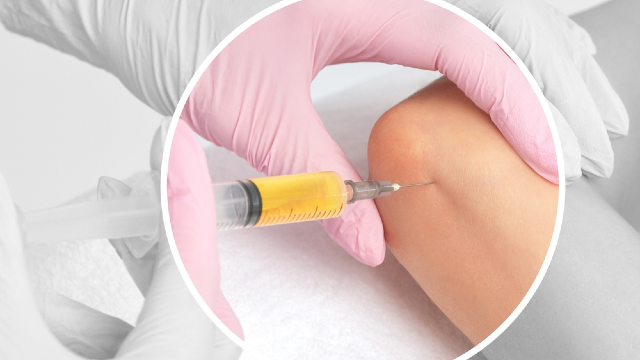
Cellier's own description of discomfort in this program is modest and specific. Injection-based treatment, the clinic says, can involve temporary needle discomfort, pressure, or soreness. Intravenous treatment generally involves brief discomfort when the line is inserted, with possible soreness at the site afterward. The clinic adds the qualifier that matters most: the level of discomfort varies between patients.
On anesthesia, the clinic's position follows the route directly. The Stem Cell Injection may use anesthetic cream or a nerve block. The intravenous route uses none. Its stem cell question bank frames the same rule more generally, noting that what is appropriate depends on the administration method and the treatment area, that some localized injections may use a topical or local anesthetic, and that intravenous administration generally does not require anesthesia at all.
That is the whole structure of comfort for this program. Everything below is detail on top of it.
What anesthetic cream is, and what it does here
Anesthetic cream is a numbing preparation applied to the skin and left in place before treatment so it can take effect, reducing sensation in the upper layers exactly where the needle enters.
Two things follow that are worth knowing in advance. Cream numbs where it was placed and nowhere else, and it changes the sharp surface sensation more than it changes the feeling of pressure. Patients who expect to feel nothing at all are often surprised by a sense of pressure or movement that the cream was never going to remove.
What a nerve block involves
A nerve block is a local anesthetic placed near a nerve so that the region that nerve supplies becomes numb, rather than only the skin surface. MedlinePlus, the consumer health service of the United States National Library of Medicine, describes local and regional anesthesia in these terms: medicine is used to block sensation in one part of the body while you remain fully awake, in contrast with general anesthesia.
At this clinic, the nerve block appears as an option for the Stem Cell Injection alongside cream, and the choice between them belongs to the clinician planning your session. The practical difference is coverage: a block acts on a territory rather than a patch, which is why it enters the conversation for areas a surface cream serves less completely. It also means the numbness can outlast the appointment. How the clinic chooses among cream, a nerve block, and sedation for its lifting and radiofrequency treatments is covered in its own article on this site.
What the injection session actually feels like

The Stem Cell Injection is short. Cellier lists approximately 10 minutes of treatment following the blood collection, and advises allowing roughly 30 minutes for the two together. A short procedure is easier to tolerate than a long one for reasons that have nothing to do with technique.
Within those minutes, the sensations the clinic names are needle discomfort, pressure, and soreness, all described as temporary. Material is placed into a defined treatment area, which the clinic lists as potentially including the crown, the face, the neck, the full body, or another area you identify, so the location of any sensation follows your plan rather than a standard map.
Afterward, the clinic describes temporary redness or swelling that generally settles within one to two days. Short-lived soreness in a treated area is part of the picture the clinic paints; pain that increases rather than eases is not, and it is a reason to make contact rather than to wait.
What the infusion feels like without anesthesia
The Stem Cell Infusion is delivered through an intravenous line over 20 to 30 minutes, and no anesthesia is used. That is not an omission: there is no treated skin area to numb on this route, only the access point in a vein.
What you feel is therefore concentrated into one brief moment. The clinic describes brief discomfort as the line is inserted and possible soreness at the site, and its guidance for intravenous treatment generally lists pain, bruising, swelling, or irritation at the injection site among the effects that can occur. Once the line is running, the infusion itself is a period of sitting still. Keeping the site clean afterward is sensible, and persistent pain, spreading redness, or swelling there is worth raising with a clinician.
Both routes begin with a blood draw of approximately 20 minutes, which carries the ordinary sensations of a venous draw. What happens during that collection is covered in the consultation article on this site.
If you are needle-averse, say so early
Fear of needles is common, and the useful response to it is disclosure rather than endurance. The clinic asks for a full account of your medical history, medications, allergies, previous procedures, and relevant health information before treatment, and a strong reaction to previous injections belongs in that account. If you have ever felt faint during a blood draw, say so before the draw rather than during it.
Cellier also documents a Sleep Sedation Service, describing it as considered particularly for patients with strong procedural anxiety or a low tolerance for discomfort, with suitability determined after medical evaluation. Whether sedation has any place in a plan is a physician's decision made after that evaluation, not an item you select from a menu.
Beyond that, three questions do most of the work. Ask which comfort measure applies to your route and area, how long any numbing needs before treatment begins, and what happens if you need the session paused. Guidance from the American Academy of Dermatology on questions to ask before a cosmetic treatment supports exactly this habit, and MedlinePlus adds the practical half: write your questions down beforehand so they survive the appointment. You can raise all of it through the clinic's consultation page. Comfort for the clinic's ultrasound and radiofrequency lifting treatments is covered elsewhere on this site.
What a comfortable session does not tell you
A treatment being tolerable is a statement about the experience, not about the evidence behind it, and in this category the two get confused often enough to be worth separating.
The United States Food and Drug Administration states in its consumer information on regenerative medicine therapies that most products marketed under that heading are not approved by the agency, and advises patients to establish a product's regulatory status before consenting. Its consumer alert covering regenerative products including stem cells and exosomes describes serious harm among patients who received unapproved material. Nothing in Cellier Clinic's Stem Cell Program is presented here as approved, cleared, proven, or curative, and it is not offered against any disease. Korean certification and United States approval are separate systems. Ease of an appointment is worth knowing for planning and worth nothing as proof. You can read how the clinic describes its individualized planning on its about page.
The Bottom Line
- Cellier Clinic states that anesthetic cream or a nerve block may be used for its localized Stem Cell Injection, and that no anesthesia is used for the stem cell fluid given intravenously.
- Needle discomfort, pressure, and soreness are the sensations the clinic names for the injection route; for the intravenous route it names a brief moment at insertion and possible soreness afterward, with the level differing from patient to patient.
- The injection is short, at approximately 10 minutes of treatment after the blood collection, while the infusion runs 20 to 30 minutes with the only sensation concentrated at insertion.
- If needles worry you, disclose it with your medical history; the clinic documents a sedation service considered for strong procedural anxiety, with suitability determined after medical evaluation.
- A comfortable appointment says nothing about regulatory status; the FDA states that most products marketed as regenerative medicine are not approved, and nothing here is presented as approved or proven.
Frequently Asked Questions
Does Cellier Clinic use anesthesia for its stem cell injection?
The clinic states that anesthetic cream or a nerve block may be used for the Stem Cell Injection. Which one applies depends on the administration method and the treatment area, and it is confirmed as part of your plan rather than assumed. Raise it during the consultation so the answer is specific to you.
Is anesthesia used for the stem cell infusion?
No. Cellier states that no anesthesia is used for the stem cell fluid delivered intravenously, because the only site involved is the vein rather than a treated area of skin. The clinic describes brief discomfort as the line is inserted and possible soreness at the site afterward.
What does the injection feel like?
The clinic describes temporary needle discomfort, pressure, or soreness, and notes that the level varies between patients. Treatment takes approximately 10 minutes after the blood collection, so the sensation is brief. Anesthetic cream reduces the sharp surface sensation more than it reduces the feeling of pressure.
What is the difference between anesthetic cream and a nerve block?
Cream is applied to the surface and numbs the upper layers of skin where it was placed. A nerve block places local anesthetic near a nerve so the region that nerve supplies becomes numb, which MedlinePlus describes as blocking sensation in one part of the body while you stay awake. A block covers a territory rather than a patch, and its effect can last beyond the appointment.
I am frightened of needles. What should I do?
Tell the clinic before the appointment rather than on the day, and include any history of feeling faint during blood draws in the medical history you provide. The clinic documents a Sleep Sedation Service considered particularly for patients with strong procedural anxiety, with suitability determined after medical evaluation. Ask specifically what happens if you need the session paused.
Should I expect pain in the days after treatment?
The clinic describes temporary redness or swelling that generally settles within one to two days, with cleansing and makeup resuming the following day. Short-lived soreness at a treated area fits that description. Pain that increases rather than eases, or any symptom that seems systemic rather than local, is a reason to contact a clinician.
This article is for general informational purposes and does not constitute individualized medical advice. Candidacy, technique, and expected outcomes can only be determined through a consultation with a qualified physician, and this article is not a self-diagnosis tool.
More Articles
Continue reading clinical insights and anti-aging guides from Cellier Clinic.

Can I Combine Botox, Filler and Skin Boosters in One Visit?
Combining Botox, filler and skin boosters in one visit to Korea is possible and planned together at Cellier Clinic. Here is what the appointment involves.
Learn More

Botox vs Dermal Filler: The Real Difference Explained
The difference between Botox and dermal filler is mechanism: one relaxes a muscle that creases skin, the other adds volume. Know which before your Seoul visit.
Learn More
Facial Contour Injection vs Dermal Filler: Jawline Guide
Facial contour injection reduces unwanted volume along the cheeks and jawline; dermal filler adds it. Compare candidacy, assessment, timelines and recovery.
Learn More