Cellier Clinic — Personalized Anti-Aging & Lifting Specialist Design Clinic in Gangnam, Seoul
Medical Guide
Hyperbaric Oxygen Therapy Paired With Stem Cell Treatment
Cellier Clinic lists hyperbaric oxygen therapy alongside its Stem Cell Program. Here is what HBOT involves, how a combined plan is built, and the honest limits.
Schedule a ConsultationWhy Cellier Clinic Pairs Hyperbaric Oxygen Therapy with Stem Cell Treatment
Medically reviewed by Dr. Youm Junghyun, Specialist in General Surgery, Director of Cellier Clinic
Cellier Clinic names hyperbaric oxygen therapy alongside stem cell and IV therapy in its own list of complementary pairings, which makes it one of the few combinations the clinic documents as standing rather than improvised. Hyperbaric oxygen therapy, or HBOT, means breathing high-concentration oxygen inside a chamber held above normal atmospheric pressure. This article explains what the therapy involves at this clinic, the reasoning the clinic gives for listing it with its Stem Cell Program, what a combined plan looks like on a calendar, and the regulatory limits that should shape your expectations of both.
What Hyperbaric Oxygen Therapy Involves at This Clinic
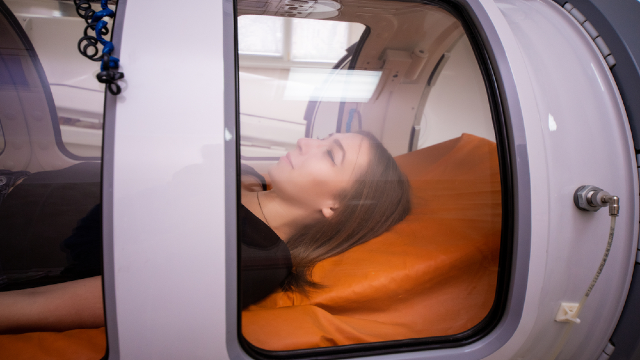
Cellier describes hyperbaric oxygen therapy as supplying high-concentration oxygen under increased pressure, and states that the therapy supports oxygen saturation, tissue recovery, circulation and skin regeneration. The clinic's stated session parameters are specific: 100% high-purity oxygen inside a pressurized chamber, approximately one hour per session, no anesthesia, and an immediate return to daily activity afterward.
The procedure itself is uncomplicated from the patient's side. You enter the chamber and breathe while the pressure inside is held above the level of the room around you. Cellier notes that the pressure changes can produce a temporary sense of fullness in the ears, and that this is relieved by equalizing — yawning, swallowing, or breathing out gently with the nose closed. There is nothing to numb and nothing placed into the skin, which is why the clinic lists no anesthesia and no recovery period for the session.
The clinic's stated aftercare is correspondingly brief: equalize if the ears feel blocked during or after the pressure changes, and resume normal activity. One practical note the clinic adds for travelers is that anyone who has used a hyperbaric chamber should allow a few hours before boarding a flight so that ear pressure normalizes.
Why the Clinic Documents the Two Together
Cellier's own summary of complementary pairings lists hyperbaric oxygen therapy with stem cell and IV therapy. The general principle that clinics layer treatment categories rather than relying on a single modality is set out separately on this site; what matters here is the specific reasoning the clinic gives for this particular pair.
The two descriptions sit on adjacent ground. Cellier describes its Stem Cell Program in terms of regeneration at the cell level, the repair of tissue that has been damaged, and the activation of cellular metabolism along with antioxidant and immune responses. It describes hyperbaric oxygen therapy in terms of oxygen delivery, neovascularization — the formation of new small blood vessels — damaged-tissue regeneration, reduction of swelling and inflammation, recovery, and effects on skin tone. Both are described by the clinic in the language of tissue recovery rather than in the language of a device altering a structure.
The clinic also positions HBOT explicitly as a recovery support service. Dr. Youm Junghyun recommends hyperbaric oxygen therapy as a post-procedure recovery measure, particularly after more intensive treatments, and the clinic lists post-procedure recovery, skin regeneration, reduction of swelling and fatigue improvement among what it describes for the therapy. That is the practical link: one part of the pairing is aimed at regeneration, the other is described by the clinic as supporting the conditions for recovery.
It is important to be precise about what that is and is not. This is the rationale Cellier Clinic states for offering the two together. It is not a claim that hyperbaric oxygen improves the outcome of a stem cell treatment, and no such outcome is promised here. The US Food and Drug Administration is direct about this category in its consumer material: the great majority of offerings sold under a regenerative label, stem cell and exosome preparations included, have never been approved by the agency. Pairing any treatment with a second one does not alter its regulatory standing or the weight of evidence behind it.
What the Clinic Says Each Part Is For
Keeping the two descriptions separate is the clearest way to understand the pairing.
For its Stem Cell Program, Cellier describes a regenerative program aimed at elasticity and wrinkles, at the texture of the skin, at acne scars and skin damage, at concerns about pigmentation, and at the scalp where hair loss is the issue — drawing on stem-cell-derived growth factors, cytokines and antioxidant amino acids. It is delivered either as a localized injection or as a whole-body IV infusion, a choice covered in its own article on this site.
For hyperbaric oxygen therapy, Cellier describes support for recovery, skin regeneration, inflammation relief, recovery after exercise, relief of fatigue and improved sleep quality. The clinic lists as candidates people looking to support cell regeneration and recovery, improve circulation, address chronic fatigue, support wound recovery, or manage physical condition after menopause or after childbirth. The clinic states that changes may be noticed immediately after a session, and describes the effect of a single session as immediate, with cumulative benefit across a course of sessions for wellness goals.
The US National Library of Medicine's MedlinePlus service explains that stem cells are cells capable of renewing themselves and of developing into more specialized cell types, and is clear that much of the field remains under active research. That is the honest backdrop for both halves of this pairing.
What a Combined Session Plan Looks Like
The mechanics are simple enough to sketch, because both treatments are short and neither requires anesthesia for the infusion route.
A hyperbaric session runs about an hour at this clinic. A Stem Cell Infusion involves roughly 20 minutes of blood extraction followed by a 20 to 30 minute IV infusion. A Stem Cell Injection involves roughly 20 minutes of blood collection followed by about 10 minutes of treatment, and the clinic suggests allowing about 30 minutes for the two together.
Because the clinic lists no downtime for hyperbaric oxygen therapy and no downtime for the infusion, both can sit in the same day without one blocking the other. The injection is the element with a recovery window attached — Cellier lists approximately one to two weeks of downtime for it — and how that reshapes a schedule is covered in the recovery article on this site rather than here.
On session numbers, the clinic's position is that HBOT sessions are provided as recommended, that a single session is possible as a day treatment, and that multi-session courses provide greater cumulative benefit. For the Stem Cell Program, the clinic's stated expectation is that changes are felt at around one to two weeks, with an effect it lists as lasting roughly three to six months and varying by skin condition. A combined plan is therefore built around your goals and availability rather than from a fixed template, and it is set during consultation. You can open that conversation through the clinic's consultation page.
Who Oversees the Combination
All of Cellier Clinic's wellness and recovery treatments are performed under physician supervision, and both Stem Cell Therapy and IV therapy require a pre-treatment assessment. Dr. Youm Junghyun oversees the clinic's stem cell protocols, and the clinic states that he sets how injection and IV infusion are combined for a given patient, working from that patient's skin condition and stated goals. On the hyperbaric side, the clinic cites his completed IO HBOT hyperbaric oxygen therapy training as the background behind the service; the rest of his qualifications, including where his pressure-physiology knowledge comes from, is set out in full elsewhere on this site.
The clinic's stated method of reducing risk for hyperbaric sessions is a pre-treatment medical assessment to identify contraindications before anyone enters a chamber. That assessment is not a formality, because the relevant risks of a hyperbaric session are pressure risks rather than skin risks, and they belong to a different category from anything in an aesthetic treatment room.
Who Should Not Enter the Chamber
Cellier states that people who cannot safely tolerate increased pressure or high oxygen exposure may not be suitable for hyperbaric oxygen therapy, and that suitability is determined after reviewing medical history and any relevant conditions or contraindications.
The clinic adds several specific situations. Patients with active skin infections, open wounds or inflammatory conditions in a treatment area are not suitable until those resolve. Pregnancy and breastfeeding call for postponement of elective procedures. Patients with autoimmune disorders or bleeding disorders, or those taking anticoagulant medication, should be assessed individually before proceeding.
Possible effects of hyperbaric treatment, as the clinic lists them, include discomfort in the ears or sinuses, trouble equalizing pressure, short-lived changes in vision, claustrophobia, oxygen toxicity and, rarely, complications in the lungs or elsewhere related to pressure. The clinic notes that individual risk varies with medical history, the treatment pressure used, the degree of oxygen exposure and the length of the session.
Separately, the Stem Cell Program carries exclusions of its own — the clinic names acute systemic infection, an active bleeding disorder, severe unmanaged medical conditions, and known sensitivity to injection procedures — and those are examined in their own article. A combined plan has to clear both screens, not one.
Preparing for a Chamber Session
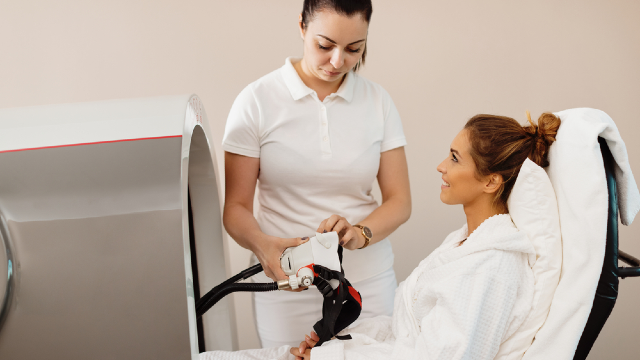
Cellier's preparation guidance for hyperbaric oxygen therapy is practical and worth following exactly.
Tell the clinician about your medications and health conditions, with particular attention to anything involving the ears, sinuses or lungs, and mention any previous difficulty equalizing pressure. Avoid alcohol on the day of the session. Do not attend with an active respiratory infection. Wear comfortable clothing, stay hydrated, and remove oil-based topical products before entering the chamber. The clinic also advises against heavy carbonated drinks or smoking immediately beforehand, to reduce gastrointestinal or respiratory discomfort as the chamber pressurizes.
The session is not painful. Cellier describes it as non-invasive, with no numbing required, and states that the temporary ear fullness that accompanies pressure changes is relieved by yawning or swallowing.
MedlinePlus's guidance on talking with your doctor is a good companion to this list: writing down your questions and your relevant history in advance is what makes a pre-treatment assessment useful rather than rushed.
Keeping Expectations Honest
This is the section to read twice, because regenerative treatment is a field where marketing has consistently run ahead of evidence.
By the agency's own account, the great majority of regenerative medicine offerings on the market carry no FDA approval, and its consumer alert describes patients seriously harmed by unapproved products, infection among the outcomes. It urges people to put a straight question to any provider: has this specific product been approved, or is it running under an authorized investigational application? It also asks readers to be skeptical whenever one product is said to handle a long list of unrelated conditions, and it publishes a dedicated page on reporting problems that follow treatment with regenerative products.
Nothing in Cellier Clinic's Stem Cell Program or its hyperbaric oxygen service is presented here as FDA-approved, cleared, proven or curative, and neither is offered as a treatment for a disease. Korean certification and US regulatory status are separate systems, and the fact that a service is lawfully offered in Seoul carries no information about how any product within it is classified in the United States.
The American Academy of Dermatology's page on what to ask before any cosmetic treatment applies cleanly here. Ask who performs it, what training that person holds, what result is realistic, and what can go wrong — and treat an evasive reply as an answer in itself. MedlinePlus's material on evaluating health information adds the wider skill of checking who produced a claim and whether it is supported. Applied to a pairing like this one, those two habits are worth more than any promotional description. You can read more about how the clinic describes its approach on its about page.
The Bottom Line
- Cellier Clinic lists hyperbaric oxygen therapy alongside stem cell and IV therapy in its own summary of complementary pairings, and positions HBOT as a recovery support service.
- The clinic describes HBOT as 100% high-purity oxygen in a pressurized chamber, approximately one hour per session, no anesthesia, and immediate return to daily activity.
- Because neither HBOT nor the Stem Cell Infusion carries downtime, they can be scheduled in the same day; the Stem Cell Injection is the element with a recovery window attached.
- Suitability for the chamber is assessed separately from suitability for the Stem Cell Program, with specific attention to ear, sinus and lung history and to tolerance of pressure and oxygen exposure.
- By the FDA's own account, the great majority of regenerative medicine offerings carry no agency approval; neither service described here is put forward as approved, proven or curative, and neither is a treatment for disease.
Frequently Asked Questions
What is hyperbaric oxygen therapy at Cellier Clinic?
The clinic describes it as breathing 100% high-purity oxygen inside a chamber held above normal atmospheric pressure, for approximately one hour per session. No anesthesia is used and the clinic states that daily activity resumes immediately afterward.
Why does the clinic list HBOT with its Stem Cell Program?
Hyperbaric oxygen therapy appears with stem cell and IV therapy in Cellier's own list of complementary pairings, and the clinic positions HBOT as a recovery support service, recommended particularly after more intensive treatments. Both are described by the clinic in terms of tissue recovery and regeneration.
Can I have both on the same day?
The clinic lists no downtime for hyperbaric oxygen therapy and no downtime for the Stem Cell Infusion, and states that both can be scheduled at any point in a visit. The sequence that suits you is confirmed during consultation under physician supervision.
Does a hyperbaric session hurt?
Cellier describes HBOT as non-invasive and not painful, with no numbing required. A temporary sense of fullness in the ears can occur as the pressure changes, and the clinic advises relieving it by yawning or swallowing.
How should I prepare for the chamber?
Disclose your medications and health conditions, especially anything involving the ears, sinuses or lungs, and mention any past difficulty equalizing pressure. Avoid alcohol on the day, do not attend with an active respiratory infection, wear comfortable clothing, stay hydrated, and remove oil-based topical products beforehand.
Who should avoid hyperbaric oxygen therapy?
The clinic states that people who cannot safely tolerate increased pressure or high oxygen exposure may not be suitable. It also lists active skin infections, open wounds or inflammation in a treatment area, pregnancy and breastfeeding, and autoimmune or bleeding disorders or anticoagulant use as situations requiring resolution or individual assessment first.
Can I fly after a hyperbaric session?
The clinic advises allowing a few hours after using a hyperbaric chamber so that ear pressure normalizes before boarding. There is no surgical restriction attached to the session itself.
Is this combination FDA-approved?
No, and nothing here suggests otherwise. The agency's consumer material says the great majority of regenerative medicine offerings carry no approval, encourages patients to put the regulatory question directly to a provider, and sets out a route for reporting problems afterward.
This article is for general informational purposes and does not constitute individualized medical advice. Candidacy, technique, and expected outcomes can only be determined through a consultation with a qualified physician, and this article is not a self-diagnosis tool.
More Articles
Continue reading clinical insights and anti-aging guides from Cellier Clinic.

Can I Combine Botox, Filler and Skin Boosters in One Visit?
Combining Botox, filler and skin boosters in one visit to Korea is possible and planned together at Cellier Clinic. Here is what the appointment involves.
Learn More
Botox vs Dermal Filler: The Real Difference Explained
The difference between Botox and dermal filler is mechanism: one relaxes a muscle that creases skin, the other adds volume. Know which before your Seoul visit.
Learn More
Facial Contour Injection vs Dermal Filler: Jawline Guide
Facial contour injection reduces unwanted volume along the cheeks and jawline; dermal filler adds it. Compare candidacy, assessment, timelines and recovery.
Learn More