Cellier Clinic — Personalized Anti-Aging & Lifting Specialist Design Clinic in Gangnam, Seoul
Medical Guide
Botox vs Dermal Filler: The Real Difference Explained
The difference between Botox and dermal filler is mechanism: one relaxes a muscle that creases skin, the other adds volume. Know which before your Seoul visit.
Schedule a ConsultationBotox vs Dermal Filler: The Real Difference Explained
Medically reviewed by Dr. Youm Junghyun, Specialist in General Surgery, Director of Cellier Clinic
The difference between Botox and dermal filler is not a matter of one being stronger than the other — it is a difference of mechanism, and the two products solve opposite problems. Botulinum toxin temporarily reduces the activity of a muscle, so the skin above that muscle stops being folded every time you frown or smile. Dermal filler adds physical substance under the skin, so an area that has lost volume or sunk inward is supported from beneath. Arriving at a Seoul consultation already knowing which of those two descriptions matches your concern will change the quality of the conversation you have.
The One Distinction That Sorts Out Most of the Confusion
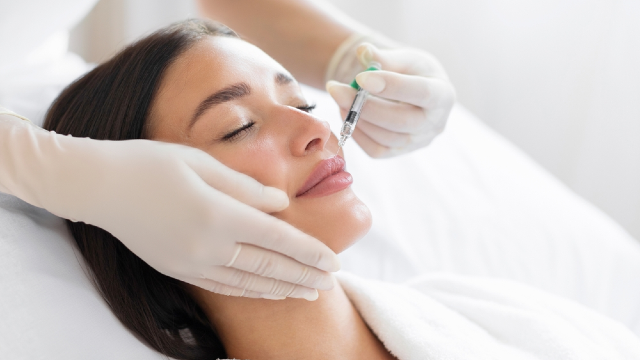
Everything that follows comes from a single question: is the line you dislike caused by movement, or by loss? A neuromodulator answers the first. A volumizer answers the second.
Cellier Clinic states the difference in almost those terms. The clinic describes Botox as working by targeting facial muscle activity to improve wrinkles and muscle-related contour concerns, and dermal filler as adding volume to selected areas to refine facial proportions and improve depressed areas. Two different jobs, two different tools, and — importantly for anyone budgeting a short trip — two different recovery profiles and two different timelines for seeing a result.
A practical test you can run on yourself in a mirror: make the expression that produces the line. If the line deepens dramatically when you raise your eyebrows, frown, or squint, muscle movement is driving it. If the line or hollow is fully visible when your face is completely at rest, the problem is more likely structural — tissue that used to be there is no longer supporting the skin. Many faces show both at once, which is why the two treatments are so often discussed together.
What Botulinum Toxin Does: Quieting the Muscle Behind a Moving Line
Botulinum toxin works by temporarily interrupting the signal that travels from a nerve to a muscle, so the treated muscle contracts less forcefully. The American Academy of Dermatology explains botulinum toxin therapy in exactly this way — as a treatment that blocks the nerve signal to the muscle, softening the lines that repeated muscle movement creates in the overlying skin. The effect is temporary and it is local: only the muscles injected are affected.
Lines caused by movement are often called dynamic lines. Horizontal forehead lines, the vertical lines between the brows, and the lines that fan out from the outer corner of the eye are the classic examples, because each is produced by a specific muscle folding the skin in the same place thousands of times over years.
Cellier describes its approach as an individual structural evaluation of muscle volume, activity level, proportions, and movement patterns, from which a treatment plan is built that specifies the toxin type, concentration, injection depth, and angle. The clinic lists the forehead, the area between the eyebrows, around the eyes, the chin, and the square jaw among the areas it treats, and states that its planning is customized according to muscle activity, thickness, and facial balance so that natural expression is preserved. Cellier states the injection itself takes approximately three minutes, that changes are generally noticeable around one to two weeks afterward, and that the effect lasts approximately three to six months.
There is a second use that surprises many first-time patients. Because the treatment reduces the bulk of an overactive muscle, it can also change a contour. Cellier lists muscle-volume improvement alongside wrinkle improvement, including treatment of the masseter, the chewing muscle that can make the lower face look square when it is heavily developed.
Equally important is what botulinum toxin does not do. It does not add volume, so it will not fill a hollow under the eye or restore a flattened cheek. It does not lift loose skin. And it has limited effect on a deep crease that has become permanently etched into the skin at rest, because the skin itself, not just the muscle, has changed.
What Hyaluronic Acid Filler Does: Restoring Structure Where Volume Is Missing
Dermal filler works by placing a gel-like material into or beneath the skin so that a depressed or deflated area is physically supported. The American Academy of Dermatology describes fillers as treatments that add volume, with results that are visible immediately and that fade over time as the material is gradually absorbed. That immediacy is the clearest practical contrast with a neuromodulator: one treatment shows you the result in the mirror before you leave, and the other asks you to wait a week or two.
Most fillers used in facial aesthetics today are based on hyaluronic acid, a sugar molecule that occurs naturally in skin and binds water. Cellier states that the dermal fillers it uses are authentic hyaluronic acid-based products, and that hyaluronic acid fillers are reversible with hyaluronidase, an enzyme that dissolves the material, if that ever becomes necessary. That reversibility is a genuine safety feature and a reasonable thing to ask about at consultation.
The FDA regulates soft tissue fillers as medical devices and publishes consumer information about them, including a public list of the dermal fillers it has approved for use in the United States. The agency's guidance is also specific about the setting: fillers should be injected by a licensed health care provider, and consumers should not buy injectable products for self-administration. If you are treated abroad, the practical version of that advice is to ask for the name of the product being used and to write it down.
Cellier describes its filler consultation as an evaluation of facial structure, age, skin condition, and the degree of volume depletion, with the goal being three-dimensional balance rather than simply adding material — an approach the clinic connects to its Skin Architecture planning philosophy. The clinic states that volume filler takes approximately 20 minutes and wrinkle filler approximately 15 to 20 minutes, that volume filler produces an immediate change while wrinkle filler shows its result at around one week, and that results last approximately six to twelve months depending on the product and the area.
What filler does not do is equally worth knowing. It will not stop a muscle from creasing the skin, so it is a poor answer to a line that only appears when you move. It does not remove fat or slim an area; that is a separate category of treatment that Cellier lists under facial contour injection. And it is not a hydration treatment — injectable skin boosters are a different category with different goals, and they are not interchangeable with structural filler.
Matching the Tool to the Concern
Once you know the mechanism, the matching is straightforward and you can do most of it before you board a plane.
Concerns that usually point toward a neuromodulator include horizontal forehead lines that deepen when you raise your brows, the vertical frown lines between the eyebrows, lines at the outer corners of the eyes when you smile, and a lower face that looks wide because the chewing muscles are prominent. Cellier describes good candidates for Botox as adults with facial expression lines, prominent muscles affecting their contours, or those seeking subtle improvement without surgery.
Concerns that usually point toward filler include flattened or hollow cheeks, folds running from the nose to the corners of the mouth that are present at rest, a chin or nose profile the patient wants defined without surgery, and depressed wrinkles that no longer disappear when the face relaxes. Cellier describes suitable filler candidates as people wanting to restore lost volume naturally, reduce fine or depressed wrinkles, or improve facial definition.
In practice the two are frequently planned together, because a face aging in the usual way is doing both things at once. Cellier's stated position is that the fit is confirmed during consultation: Botox suits muscle-related concerns and dermal filler suits volume loss and augmentation, and Dr. Youm Junghyun determines which applies to each area of your face. The clinic sets out its wider planning philosophy in its who we are overview.
How Long Each Lasts, and Why the Numbers Differ
The two treatments fade for different reasons, which is why their durations are not the same. A neuromodulator wears off as nerve endings re-establish their connection to the muscle and normal movement returns. A filler fades as the body gradually breaks the gel down and absorbs it.
Cellier states that Botox effects last approximately three to six months, with changes generally noticeable after one to two weeks and full effect at roughly the same point. For dermal filler the clinic states a duration of approximately six to twelve months depending on the treatment and the individual, with volume filler producing an immediate change and wrinkle filler showing its result at about one week.
The American Academy of Dermatology notes that how long filler results last is influenced by more than the product itself — sun protection, skin care habits, and the individual's metabolism all play a part, and maintenance treatments are how results are sustained rather than extended indefinitely. That is a realistic frame to carry into a consultation: both of these are repeat treatments, and a first session is the start of a plan rather than a one-time fix.
For a traveler, the duration difference has a scheduling consequence that Cellier states directly. Because Botox results become visible at one to two weeks, the clinic suggests scheduling it early in a Seoul trip so that early effects can be observed while you are still in the country. Filler is the opposite: because swelling is more visible, the clinic suggests scheduling it toward the end of a trip.
Genuine Product and Correct Dosing: What to Establish at the Consultation
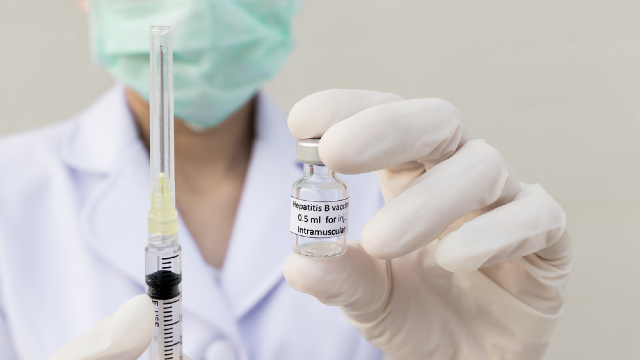
Two questions matter more than any other at an injectable consultation abroad: what exactly is being injected, and how was the amount decided. Both have concrete answers you are entitled to ask for.
On product, Cellier's stated position is unambiguous. The clinic states that all injectable treatments are performed by Dr. Youm Junghyun using authentic products, that it does not use unauthorized or gray-market injectables, that its botulinum toxin products are authentic and licensed, and that its dermal fillers are authentic hyaluronic acid-based products. The clinic further states that the product is selected per area and per patient rather than applied uniformly.
The FDA's consumer update on dermal filler do's and don'ts reinforces why this line of questioning is standard rather than rude. The agency advises consumers to have fillers administered only by a licensed health care provider, to avoid products sold directly to the public, and to understand what is being used and where. The American Academy of Dermatology adds a related warning about needle-free injection devices marketed for filler, noting that these carry real risks and are not a safe substitute for injection by a trained physician. Asking the name of a product and expecting a clear answer is simply informed consent working as intended.
On dosing, the point is that a correct dose is a personal number, not a menu item. Cellier states that risks are reduced by conducting individual structural analysis and customizing injection dosage, depth, and angles, and that Dr. Youm Junghyun assesses muscle movement patterns and facial structure individually so that injection dose, depth, and points preserve natural expression. The same logic applies to filler, where Cellier states that injection sites, dosage, depth, and treatment areas are individually planned after assessing facial proportions, muscle movement, skin condition, age, and the degree of volume loss.
One point about regulatory language is worth settling before you travel, because it is widely misunderstood. FDA approval governs what may be marketed in the United States; Korea operates its own certification system, and the two are separate frameworks rather than one endorsing the other. Cellier Clinic is a Registered Medical Institution for Attracting Foreign Patients, certified by the Ministry of Health and Welfare, which is a Korean designation relating to the care of international patients. If a specific product name matters to you, the FDA's published list of approved dermal fillers is a resource you can consult yourself.
Comfort, Downtime, and Aftercare
Neither treatment requires surgical recovery, but their downtime is not identical, and the difference is worth planning around. Cellier states that Botox uses topical numbing cream and that dermal filler may use numbing cream or nerve anesthesia depending on the treatment area and technique. The clinic describes the sensation of Botox as a brief pinch or sting, and filler as pinching, pressure, or stinging that numbing is intended to reduce.
For downtime, Cellier states that Botox downtime is within three days, that volume filler downtime is generally within three days, and that wrinkle filler may involve approximately one to two weeks while bruising and swelling settle. Common side effects listed by the clinic for both treatments are temporary redness, mild localized swelling, minor bruising at injection points, and short-lived tenderness.
Aftercare instructions from the clinic are specific and easy to follow: avoid rubbing or massaging the treated areas, stay upright for several hours after injection, use ice to manage swelling, and skip strenuous workouts for the first day. Cellier also states that face washing and makeup can resume the following day, and recommends avoiding saunas, alcohol, and intense exercise for one week.
Preparation matters as much as aftercare where bruising is concerned. Cellier advises disclosing your full medical history, clearing any active skin irritation at the treatment site, arriving without makeup, and avoiding blood-thinning agents, anti-inflammatory medications, and alcohol for three days before treatment, as directed by the clinician. The American Academy of Dermatology's preparation guidance for both botulinum toxin and filler treatments aligns with this: tell your physician about every medication and supplement you take, including over-the-counter products, and follow instructions about substances that increase bruising.
Who Should Postpone or Avoid Treatment
Screening differs slightly between the two, and both lists are short enough to review before you travel. Cellier states that Botox should be avoided by people with active skin infections at the injection site, severe neuromuscular disorders, known hypersensitivity to botulinum neurotoxin components, and those who are pregnant or nursing.
For dermal filler, Cellier states that pregnant or breastfeeding patients should postpone elective aesthetic procedures, that active skin infections, open wounds, or inflammatory skin conditions in the treatment area must resolve first, and that people with severe bleeding or clotting disorders or known hypersensitivity to injectable components are not suitable. The clinic adds that patients with autoimmune conditions, a history of keloid scarring, or recent isotretinoin use within six months may require additional assessment, and that anyone on blood-thinning medication should discuss timing with the clinic in advance.
The American Academy of Dermatology's general cosmetic safety guidance makes the same underlying point: a qualified physician should evaluate your health history before any injectable treatment, and the person performing the injection should be trained in facial anatomy. That is not a formality. Injectables are placed near blood vessels and nerves, and anatomical knowledge is what keeps placement safe.
Arriving at Your Seoul Consultation Prepared
The most useful preparation is deciding what you want to change rather than what you want to buy. MedlinePlus, the US National Library of Medicine's patient information service, recommends writing your questions down before a medical appointment and raising your main concern first, so the most important item is not left until the end. Bringing a short written list of the specific lines or areas that bother you lets the physician map each one to a mechanism in front of you.
Medical tourism guidance in the CDC's Yellow Book asks anyone seeking treatment abroad to research their care in advance, understand what a procedure involves, and plan for follow-up after returning home. For injectables this is straightforward but not optional: know what was injected, where, and how much, and keep that record. If a question arises weeks later, that information is what makes a remote conversation useful. Cellier states that English-speaking support is available for consultations and that the clinic is located on the fifth floor of Rex Tower at 108 Dosan-daero in Gangnam-gu, Seoul, near Sinsa Station on Subway Line 3 and the Shinbundang Line.
A reliable script comes from the American Academy of Dermatology, which publishes a set of questions worth raising ahead of any cosmetic treatment: what result is realistic for me, what does recovery involve, what are the risks, and what happens if I am not satisfied. Add two of your own for injectables specifically — what product will you use, and how did you arrive at this amount. An overview of the clinic's treatment categories is available on the Cellier Clinic website, and you can book a consultation to discuss your own case before you finalize travel dates.
The Bottom Line
- Botulinum toxin and dermal filler solve opposite problems: one temporarily reduces the muscle activity that folds skin into a line, the other adds physical volume where tissue support has been lost.
- A simple self-test narrows the question before you travel — a line that deepens with expression points toward a neuromodulator, while a line or hollow visible at complete rest points toward volume.
- The timelines differ in ways that affect trip planning. Cellier states that Botox becomes visible at one to two weeks and lasts approximately three to six months, while filler shows an immediate to one-week result and lasts approximately six to twelve months.
- Product identity and individualized dosing are the two things to confirm at consultation. Cellier states that it uses authentic, licensed botulinum toxin and authentic hyaluronic acid fillers, does not use unauthorized or gray-market injectables, and plans dose, depth, and injection points patient by patient.
- Both treatments are repeat treatments rather than permanent corrections, and both require a health history review before a physician can confirm you are a candidate.
Frequently Asked Questions
Can I have botulinum toxin and dermal filler at the same appointment?
Combining them is common because most faces show both movement-related lines and volume loss at the same time. Cellier states that Botox suits muscle-related concerns while dermal filler suits volume loss and augmentation, and that Dr. Youm Junghyun confirms which approach fits each area during consultation. The treatments are planned together so that the overall facial balance is considered rather than each area in isolation.
Which treatment addresses forehead lines?
Forehead lines that deepen when you raise your eyebrows are produced by muscle movement, which is the concern botulinum toxin addresses. The American Academy of Dermatology explains that botulinum toxin therapy works by blocking the nerve signal that causes a muscle to contract, which softens the lines that movement creates. Cellier lists the forehead and the area between the eyebrows among the regions it treats with this approach.
How long does each treatment take in the clinic?
Both are short outpatient appointments. Cellier states that the Botox injection itself takes approximately three minutes, that volume filler takes approximately 20 minutes, and that wrinkle filler takes approximately 15 to 20 minutes. Numbing time is additional, since Cellier applies topical cream before injection and may use nerve anesthesia for some filler treatments.
When will I see results from each?
The two reveal themselves on different schedules. Cellier states that Botox changes are generally noticeable after one to two weeks, with full effect at approximately the same point, while volume filler produces an immediate change and wrinkle filler shows its result at around one week. Any injection-related swelling settles first, so the earliest appearance is not the final one.
How should I schedule injectables around a trip to Seoul?
Cellier gives a clear sequencing rule for travelers. Because Botox results appear at one to two weeks, the clinic suggests booking it at the start of a Seoul trip so early effects can be observed while you are still there. Filler is better scheduled toward the end of a trip, since the clinic states downtime ranges from within three days for volume filler to approximately one to two weeks for wrinkle filler.
What happens if I am unhappy with a hyaluronic acid filler result?
Hyaluronic acid fillers can be dissolved. Cellier states that the hyaluronic acid-based fillers it uses are reversible with hyaluronidase, an enzyme that breaks the material down, if that becomes necessary. This is a meaningful difference from treatments that cannot be undone, and it is a reasonable topic to raise before you agree to treatment.
How do I confirm that the product being injected is genuine?
Ask for the product name and how it was selected for your case. Cellier states that all injectable treatments are performed by Dr. Youm Junghyun using authentic products, that its botulinum toxin is authentic and licensed, and that it does not use unauthorized or gray-market injectables. The FDA advises that fillers be administered only by a licensed health care provider and publishes a list of the dermal fillers approved for use in the United States that you can consult yourself.
Who should postpone injectable treatment?
Cellier states that people who are pregnant or nursing should postpone elective injectable treatment, and that active skin infection or inflammation at the treatment site must resolve first. The clinic also lists severe neuromuscular disorders and known hypersensitivity to the injected components as reasons to avoid treatment, and notes that autoimmune conditions, a history of keloid scarring, recent isotretinoin use, or blood-thinning medication require individual assessment beforehand.
This article is for general informational purposes and does not constitute individualized medical advice. Candidacy, technique, and expected outcomes can only be determined through a consultation with a qualified physician, and this article is not a self-diagnosis tool.
More Articles
Continue reading clinical insights and anti-aging guides from Cellier Clinic.

Can I Combine Botox, Filler and Skin Boosters in One Visit?
Combining Botox, filler and skin boosters in one visit to Korea is possible and planned together at Cellier Clinic. Here is what the appointment involves.
Learn More
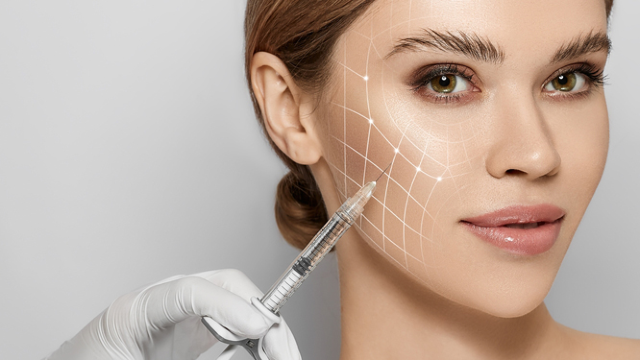
Botox vs Dermal Filler: The Real Difference Explained
The difference between Botox and dermal filler is mechanism: one relaxes a muscle that creases skin, the other adds volume. Know which before your Seoul visit.
Learn More
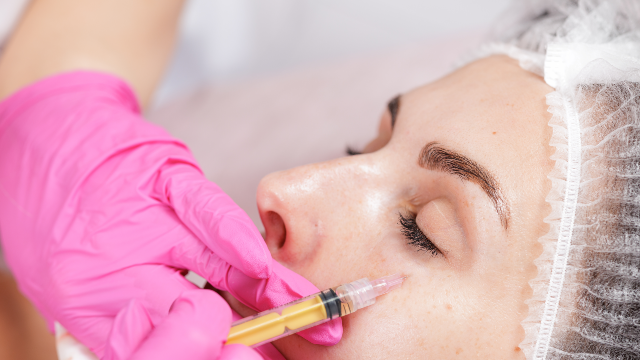
Facial Contour Injection vs Dermal Filler: Jawline Guide
Facial contour injection reduces unwanted volume along the cheeks and jawline; dermal filler adds it. Compare candidacy, assessment, timelines and recovery.
Learn More